

CURVES
Curves introduce movement, grace, and rhythm into a photograph. Unlike straight lines, which suggest stability and structure, curves imply flow, softness, tension, and continuity. They guide the eye gently — sometimes sensually — through the frame.
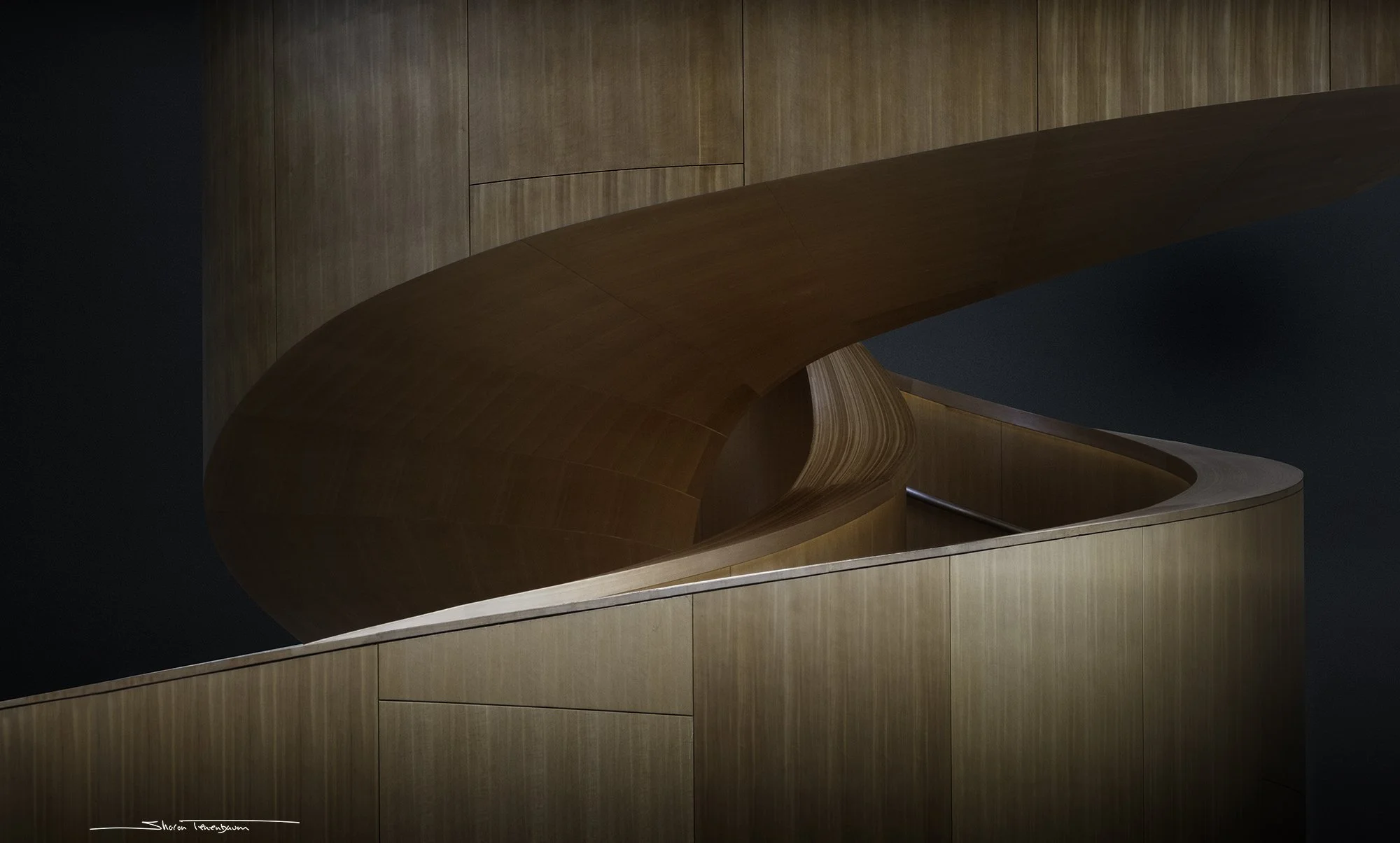
In this theme, the curve must be the main actor on the stage. It cannot be incidental or decorative. The composition should be built around it. Ask yourself: Does the viewer’s eye immediately recognize the curve as the dominant force? Does it control the visual journey?
Curves can be found everywhere — in architecture, landscapes, the human body, shadows, fabric, roads, waves, and reflections. But finding them is only the beginning. Consider:
Composition: Use framing and negative space to isolate and emphasize the curve. Avoid competing lines that weaken its impact.
Light: Light can sculpt a curve, giving it dimension and depth. Side lighting often enhances form and reveals contour.
Perspective: Changing your angle can exaggerate or minimize curvature. Get closer. Get lower. Simplify.
Contrast & Background: Ensure the curve stands out clearly against its surroundings.
Emotion & Energy: Is the curve calm and gentle, or dramatic and dynamic? Does it create tension, elegance, sensuality, or momentum?
Strong images in this theme feel intentional. The curve should not merely appear — it should lead, command, and define the photograph.
When done well, curves create visual poetry: a continuous line that invites the viewer to linger and travel within the frame.
Registration is Now Closed. Please come back at 2:00 pm PST to register for next week’s session.