

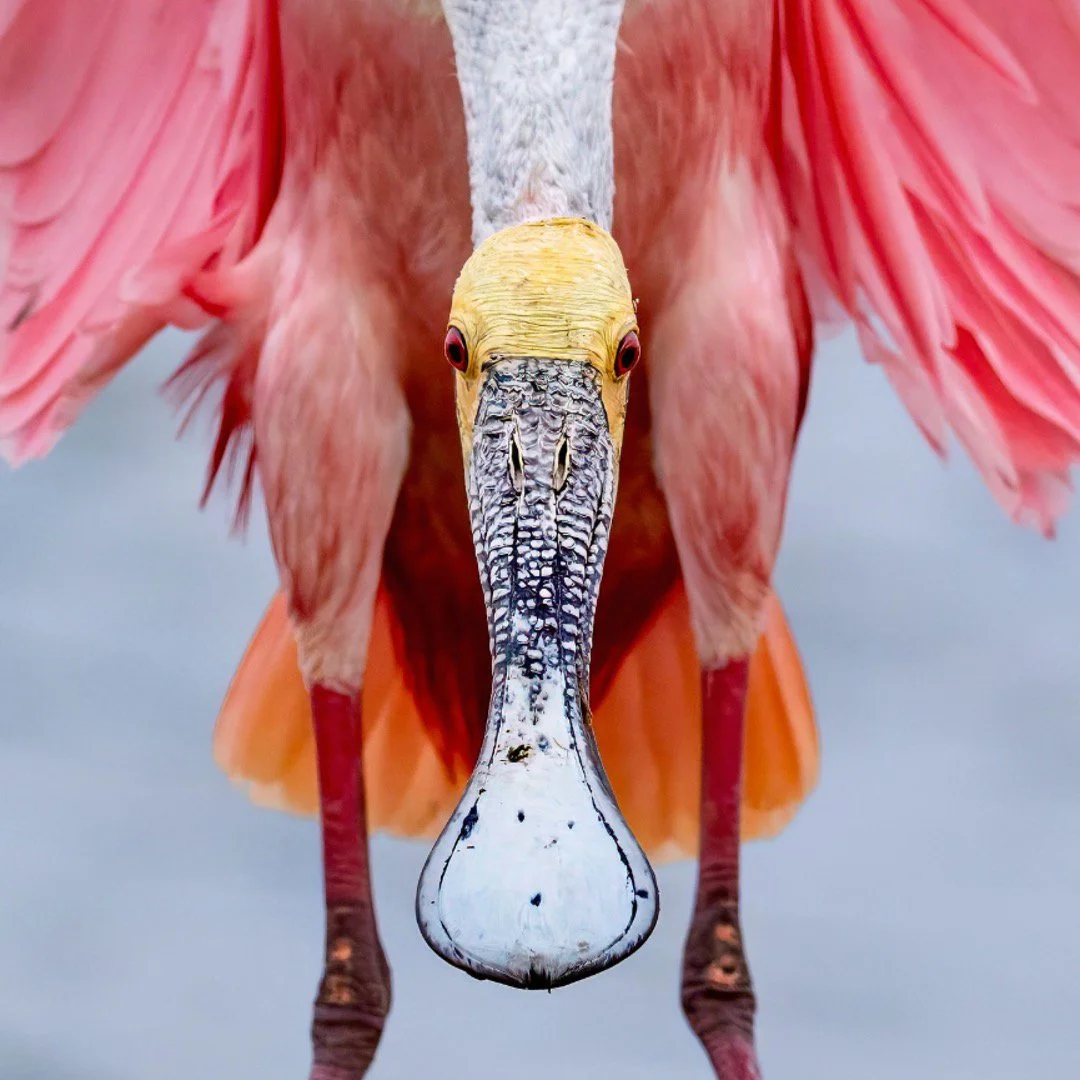
WILDLIFE ICM - FREE 1 hr. WEEKLY ZOOM SESSION
Wildlife photography gives us the opportunity to capture animals in their natural environment, but a great wildlife photograph is about much more than simply getting a sharp image. This week, your challenge is to look for moments that tell a story, reveal personality, or create an emotional connection with the viewer.
Pay attention to composition, light, gesture, timing, and the relationship between the animal and its surroundings. Look for interesting interactions, unusual behaviour, or unexpected moments. Sometimes the most compelling image may not show the entire animal at all. A detail, silhouette, shadow, or small gesture can tell a powerful story.
Most importantly, be original and creative. We’ve all seen countless photographs of birds in flight and animals looking directly at the camera. Challenge yourself to look beyond the obvious and find your own interpretation. Experiment with perspective, reflections, motion, negative space, or unconventional framing.
The goal is not simply to photograph wildlife, but to create an image that makes us stop and see it in a new way.
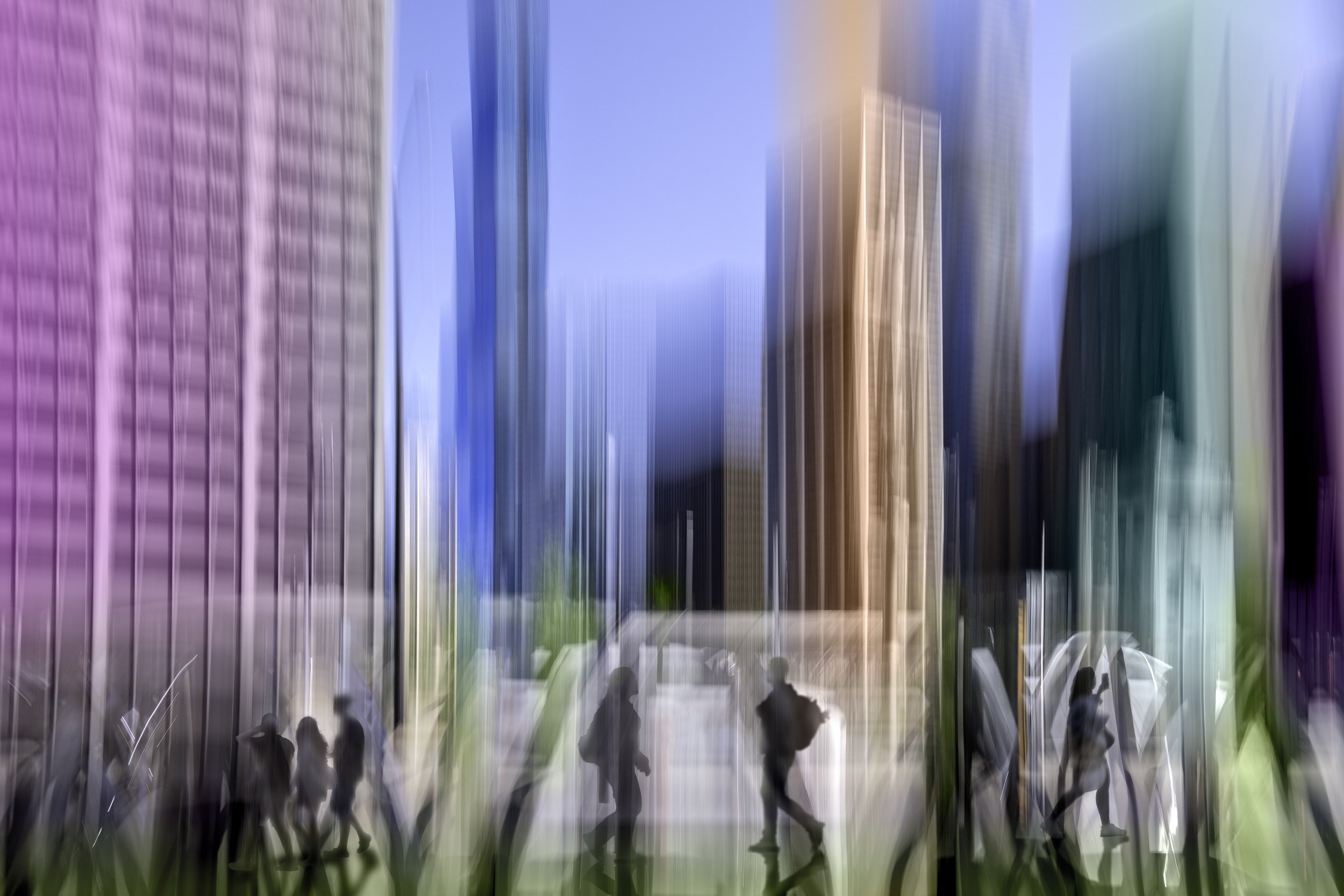
(IN CAMERA) ICM - FREE 1 hr. WEEKLY ZOOM SESSION
ICM, or Intentional Camera Movement, is all about embracing movement and allowing the camera to become part of the creative process. Instead of simply recording a scene as we see it, we deliberately move the camera during the exposure to create a sense of motion, abstraction, and artistic expression.
For this week’s theme, your image must be created in camera using intentional camera movement. The movement of the camera is what creates the effect. This is not the same as keeping your camera perfectly steady on a tripod while allowing the subject itself to move. The camera must physically move during the exposure. But remember, we are not simply looking for a blurry image. ICM is an intentional photographic technique, and the fundamentals of good photography still apply. Rules of composition, balance, visual flow, colour, light, and the placement of elements within the frame are just as important here as they are in any other photograph. Your goal is to create an image where the movement enhances the composition rather than simply obscuring it.
To achieve enough movement during the exposure, you will likely need to use ND filters to extend your shutter speed, particularly when photographing in brighter conditions. Experiment with different shutter speeds to see how they affect the amount and quality of movement in your image. A slower shutter speed will give you more time to move the camera and can produce very different results from a faster exposure.
There are many ways to experiment with ICM. Try moving the camera vertically, horizontally, diagonally, or even using more unconventional movements such as twisting, rotating, or combining different directions. Think about how the direction and speed of your movement interact with the subject. Look for subjects that lend themselves to movement, such as trees, architecture, reflections, flowers, or city scenes. Pay particular attention to colour, shape, light, and form, and consider how your camera movement can transform an ordinary subject into something completely unexpected.
Most importantly, don't simply move the camera and hope for the best. Be intentional about your movement and think about what you want the final image to communicate. ICM is wonderfully unpredictable, so embrace the happy accidents, experiment, and have fun creating something that could never have been captured with a stationary camera.
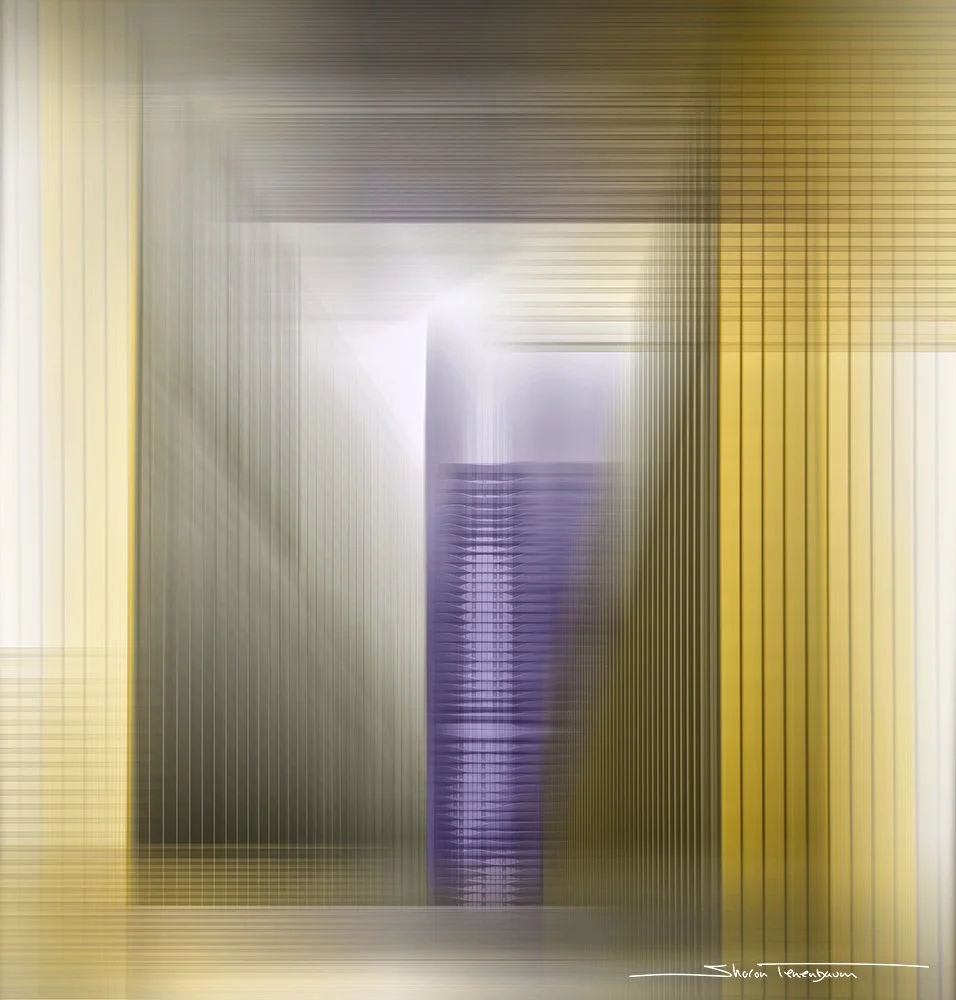
TWO COLOURS - FREE 1 hr. WEEKLY ZOOM SESSION
Sometimes, limiting yourself can lead to the most creative images. For this theme, your challenge is to create a photograph in which two colours are the stars of the show.
Look for ways to bring two colours together through contrast, harmony, repetition, balance, or tension. They don't have to be complementary colours—even two subtle or similar tones can create a powerful image when used intentionally. Pay attention to how much of each colour you include, where they appear within the frame, and how their relationship influences the composition, mood, and story.
And this week, I want you to challenge yourself. Blue is everywhere and is one of the easiest colours to find, particularly in the sky, water, and architecture. Try to resist the obvious choice of blue and look harder for something different. Seek out unexpected colour combinations—perhaps red and yellow, green and pink, orange and purple, or two colours you wouldn't normally put together.
The colours can come from anything: architecture, nature, street scenes, objects, clothing, or the unexpected details you encounter around you. You can even use post-processing to refine the colours and strengthen their relationship.
Most importantly, don't simply find two colours and photograph them. Create a photograph where the relationship between those two colours gives the image its story, emotion, and visual impact. Look beyond the obvious, challenge yourself, and show us something we haven't seen before.
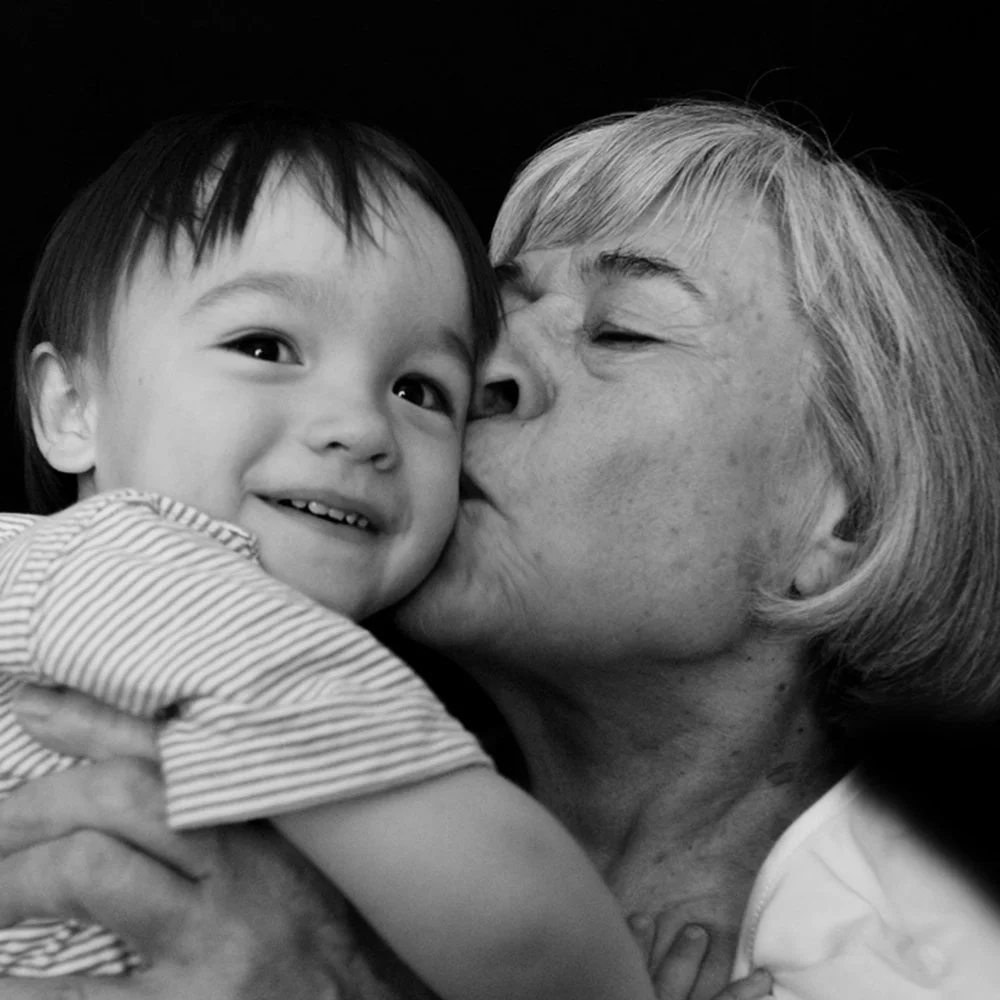
KISS - FREE 1 hr. WEEKLY ZOOM SESSION
When we think of a kiss, our first thought is likely to be a tender moment between two people, a spontaneous kiss captured on the street, or an intimate candid photograph. These moments can make wonderful images because they capture emotion, connection, and a fleeting interaction that might otherwise go unnoticed.
I would also encourage you to think beyond the conventional.
A kiss doesn't necessarily require people. Look for two things coming together—or almost coming together, at a critical point. It could be two flowers gently touching, two leaves meeting, branches reaching toward one another, or even objects and architectural elements that appear to "kiss." That tiny moment of contact, or the anticipation just before it happens, can create tension, intimacy, and visual intrigue.
Think carefully about timing and composition. Where that critical "kissing point" falls within your frame can completely change the image. Look for unexpected connections and relationships between subjects that might not normally be associated with a kiss.
As always, don't simply photograph the obvious. Find your own interpretation of a Kiss and surprise us with how creatively you can see it.
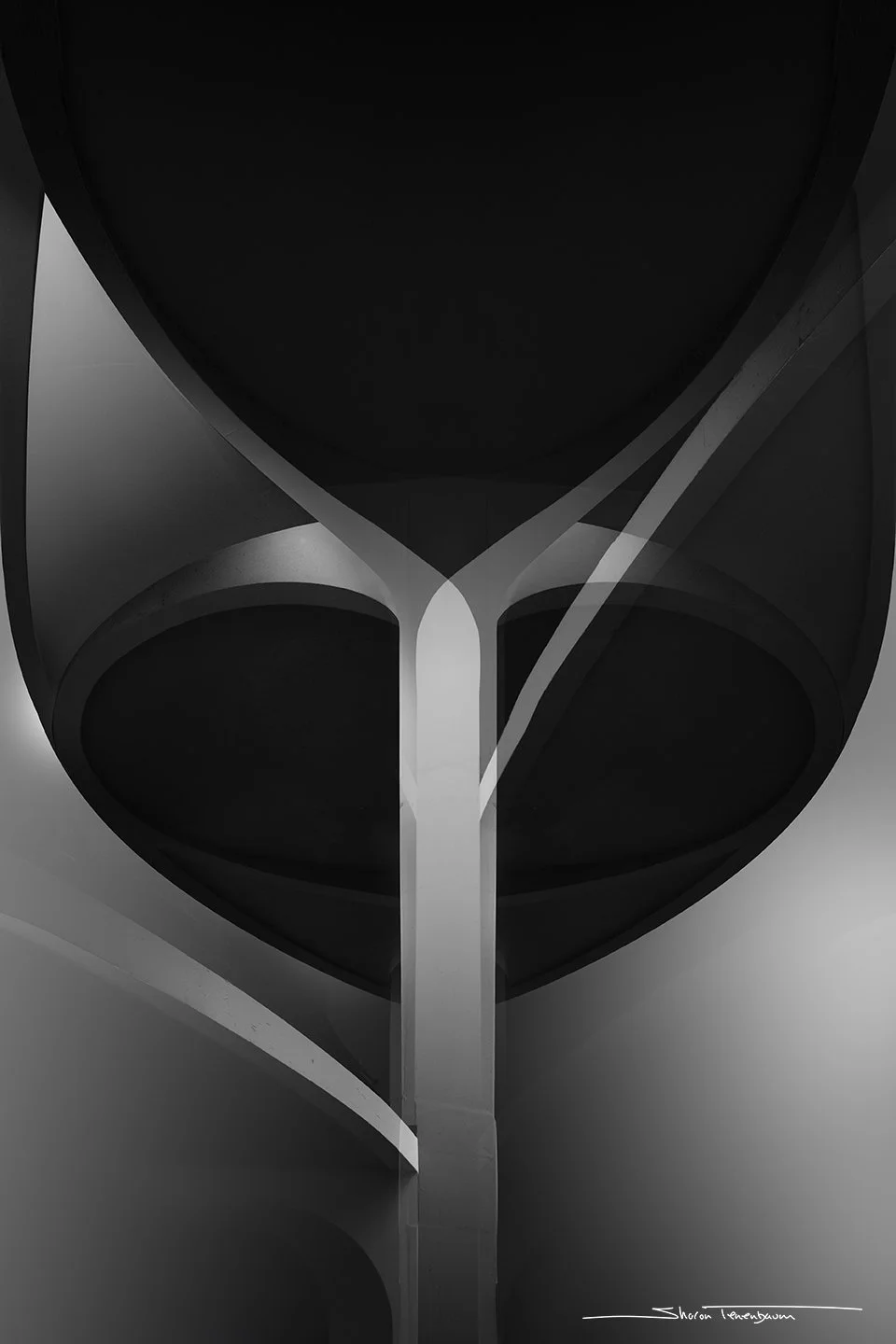
ARCHITECTURAL ABSTRACT - FREE 1 hr. WEEKLY ZOOM SESSION
Architecture doesn't always have to be photographed as a building. Sometimes, the most compelling images are found by isolating small sections and allowing the viewer to forget what they're looking at. This week, your challenge is to move beyond documenting architecture and instead create an image that celebrates shape, line, form, texture, pattern, light, and shadow.
Look for details that transform the familiar into the unexpected. Use your composition to simplify the scene, remove distractions, and emphasize strong graphic elements. Pay close attention to balance, harmony, and the relationships between the shapes within your frame.
Most importantly, create an image that sparks curiosity. The best architectural abstracts invite the viewer to pause, explore, and perhaps even question what they're seeing. As always, originality counts. Show us architecture in a way we've never seen before, and let your creativity—not the building itself—be the star of the photograph.
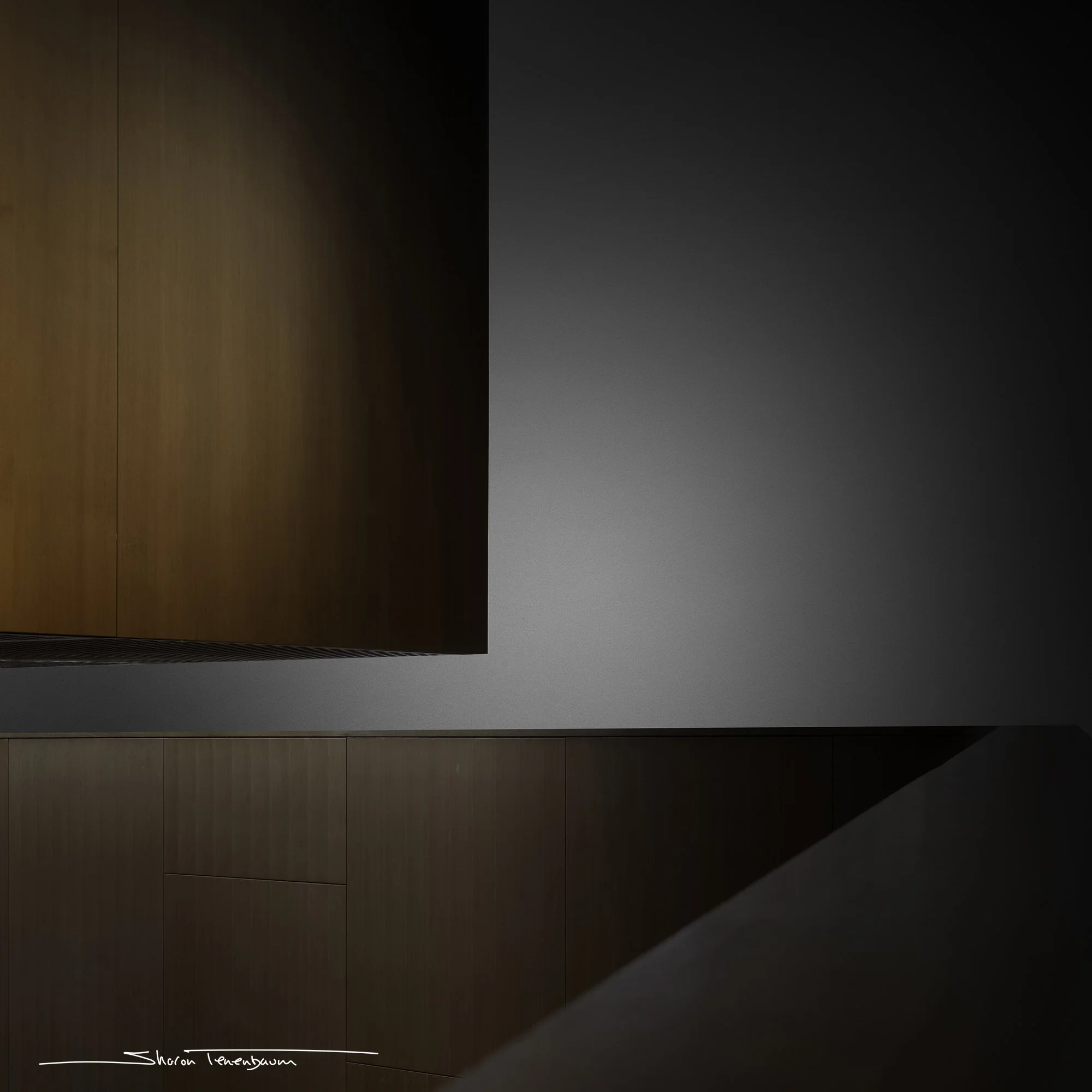
GEOMETRY - FREE 1 hr. WEEKLY ZOOM SESSION
Geometry is all around us—it isn't limited to circles and curves. Squares, triangles, rectangles, lines, angles, and even irregular shapes all contribute to the visual language of a photograph. This week, your challenge is to create an image in which geometry is the dominant element.
Pay close attention to the balance and relationship of the shapes within your frame. How do they interact? Do they create harmony, tension, rhythm, or contrast? Think carefully about composition, form, and how the shapes guide the viewer's eye through the image.
Most importantly, don't stop at simply documenting geometric shapes. A great photograph still needs a story. Use geometry to strengthen your message, evoke emotion, or reveal something unexpected. As always, originality counts—look beyond the obvious and show us geometry in a fresh and compelling way.
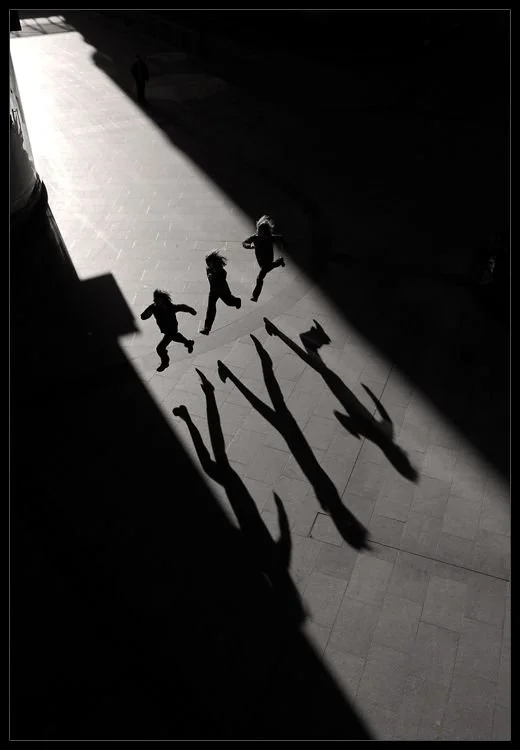
SHADOWS - FREE 1 hr. WEEKLY ZOOM SESSION
Shadows are far more than the absence of light—they are a powerful compositional element that can add mystery, drama, depth, and graphic impact to your photographs. Often, it is the shadow itself, rather than the object casting it, that becomes the true subject of the image.
Success with shadow photography begins with recognizing form. Look for strong shapes, clean lines, interesting patterns, and the relationship between light and dark. Shadows have the ability to simplify a scene, reveal hidden geometry, or transform an ordinary subject into something abstract and intriguing.
Timing is equally important. Early morning and late afternoon produce long, elegant shadows that stretch across the landscape, emphasizing depth, texture, and leading lines. In contrast, the harsh overhead light of midday—often avoided by photographers—can create bold, high-contrast shadows with crisp edges, making it ideal for graphic compositions and minimalist imagery. Neither approach is better than the other. There is no right or wrong here—you make the rules. The challenge is to recognize the unique opportunities that each quality of light presents and use them to support your creative vision.
Whether your images are realistic or abstract, subtle or dramatic, the strongest shadow photographs are those where light, form, and composition work together to create an image that invites the viewer to look a little longer.
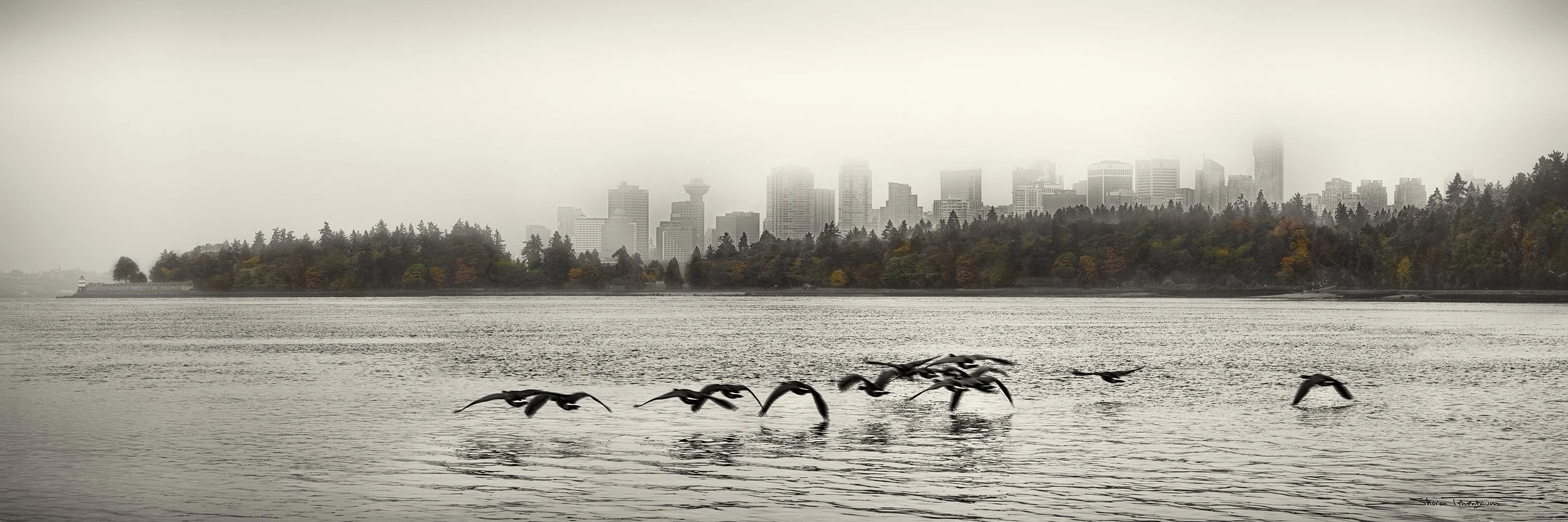
NATURE IN THE CITY - FREE 1 hr. WEEKLY ZOOM SESSION
Exploring the relationship between the natural and built environments.
The key to a compelling image is context—it’s not enough to simply photograph a tree, flower, bird, or animal. The image should clearly convey that nature exists within the city. Include recognizable urban elements that give the scene a sense of place while also showcasing the defining characteristics of the natural subject, whether it’s vegetation reclaiming an urban space or wildlife adapting to city life.
Just as important is originality. Challenge yourself to move beyond the obvious and show us this relationship in a fresh, creative, and unexpected way. The strongest images not only tell the story of how nature and the city coexist, but do so with a unique perspective that makes us see the familiar in a new light.
FROM THE GROUND - FREE 1 hr. WEEKLY ZOOM SESSION
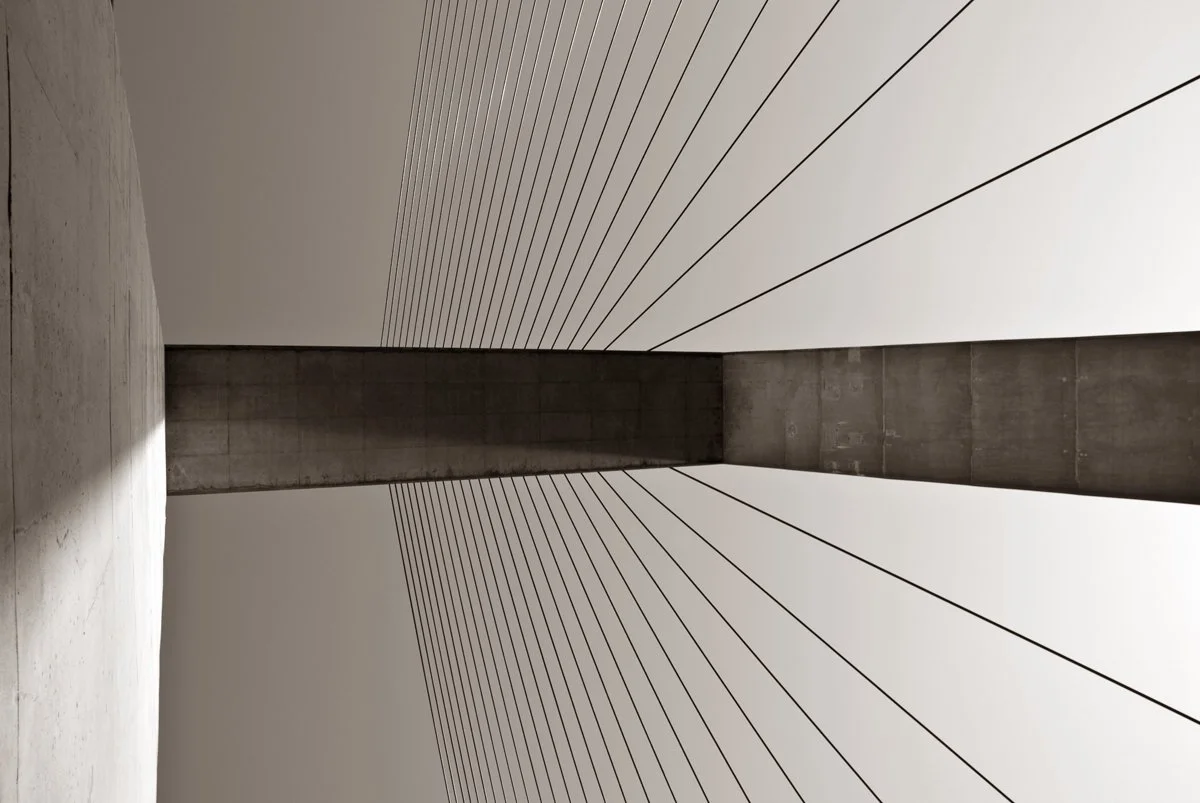
This week's challenge is to change your perspective—literally. Get down low and photograph the world from ground level. Imagine seeing the world through the eyes of a dog, a cat, a child, or any creature whose everyday view is just a few inches above the ground.
A low perspective has the power to transform an ordinary scene into something unexpected and compelling. It can make familiar subjects appear larger than life, emphasize leading lines, create dramatic foreground interest, and reveal relationships that simply aren't visible from eye level.
Don't just lower your camera—think about how this new viewpoint changes the story you're telling. How does it affect scale, composition, and the viewer's emotional connection to the image? Challenge yourself to embrace this unusual perspective and show us a world we don't normally see.
Successful images will demonstrate thoughtful composition, creativity, and an effective use of a low viewpoint to create a fresh and engaging perspective.
CHOOSE A COLOUR - FREE 1 hr. WEEKLY ZOOM SESSION
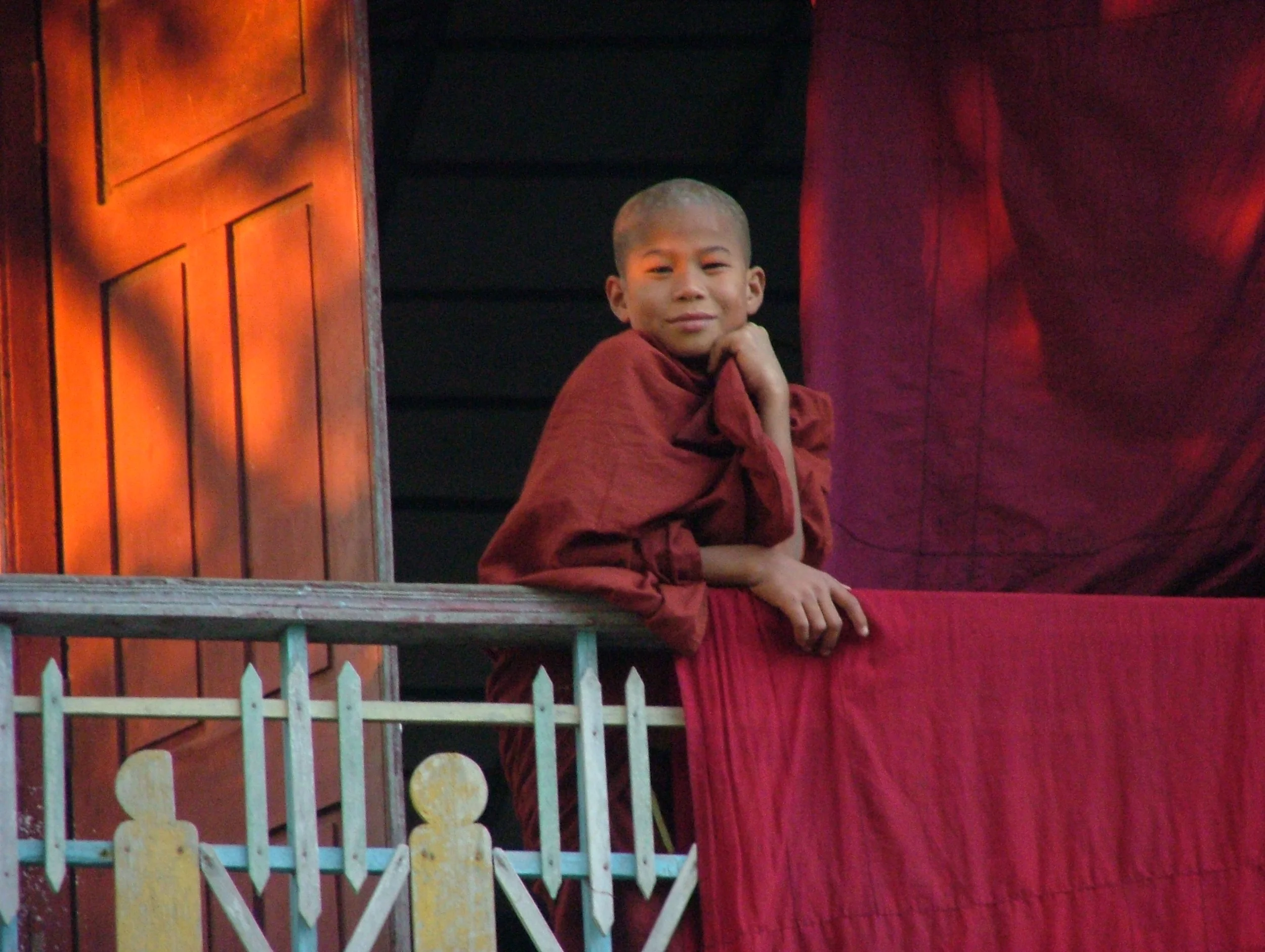
High key photography is all about creating bright, luminous images that evoke a sense of lightness, elegance, and simplicity. Rather than relying on deep shadows and dramatic contrast, high key images are characterized by soft tones, clean backgrounds, and an abundance of light while still retaining important detail in the highlights.
For this theme, think beyond the traditional high key portrait. Explore how the high key aesthetic can be applied to architecture, nature, still life, landscapes, or everyday scenes. Consider how light can simplify a composition, reduce distractions, and draw the viewer's attention to your subject.
A successful high key image isn't simply overexposed. The challenge is to maintain subtle detail, create separation between the subject and the background, and use light intentionally to produce an image that feels fresh, airy, and visually engaging.
Experiment with natural or artificial light, exposure, and composition, and challenge yourself to create photographs where brightness becomes an essential part of the story.
HIGH KEY - FREE 1 hr. WEEKLY ZOOM SESSION
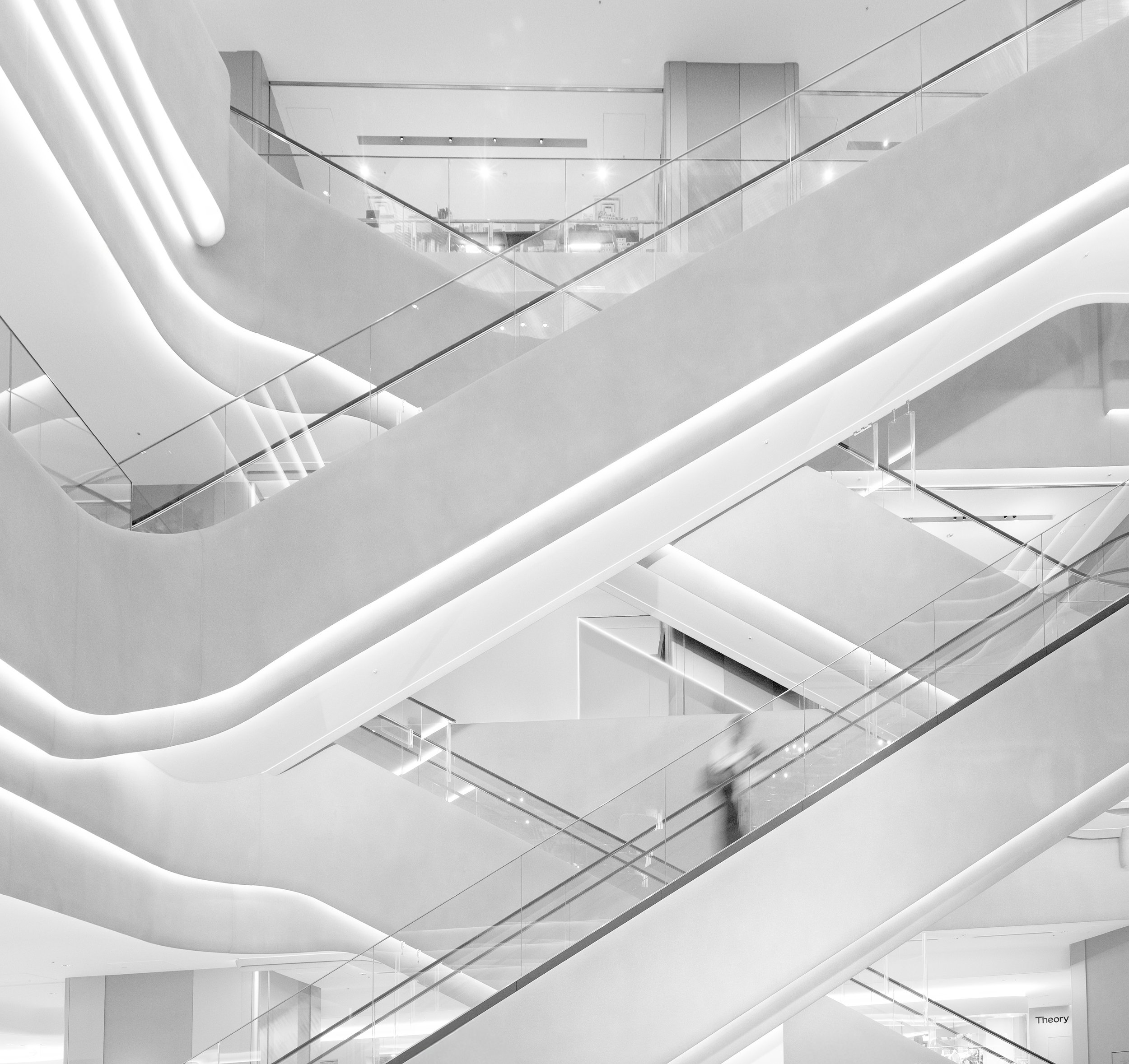
High key photography is all about creating bright, luminous images that evoke a sense of lightness, elegance, and simplicity. Rather than relying on deep shadows and dramatic contrast, high key images are characterized by soft tones, clean backgrounds, and an abundance of light while still retaining important detail in the highlights.
For this theme, think beyond the traditional high key portrait. Explore how the high key aesthetic can be applied to architecture, nature, still life, landscapes, or everyday scenes. Consider how light can simplify a composition, reduce distractions, and draw the viewer's attention to your subject.
A successful high key image isn't simply overexposed. The challenge is to maintain subtle detail, create separation between the subject and the background, and use light intentionally to produce an image that feels fresh, airy, and visually engaging.
Experiment with natural or artificial light, exposure, and composition, and challenge yourself to create photographs where brightness becomes an essential part of the story.
BRIDGES - FREE 1 hr. WEEKLY ZOOM SESSION
BRIDGES
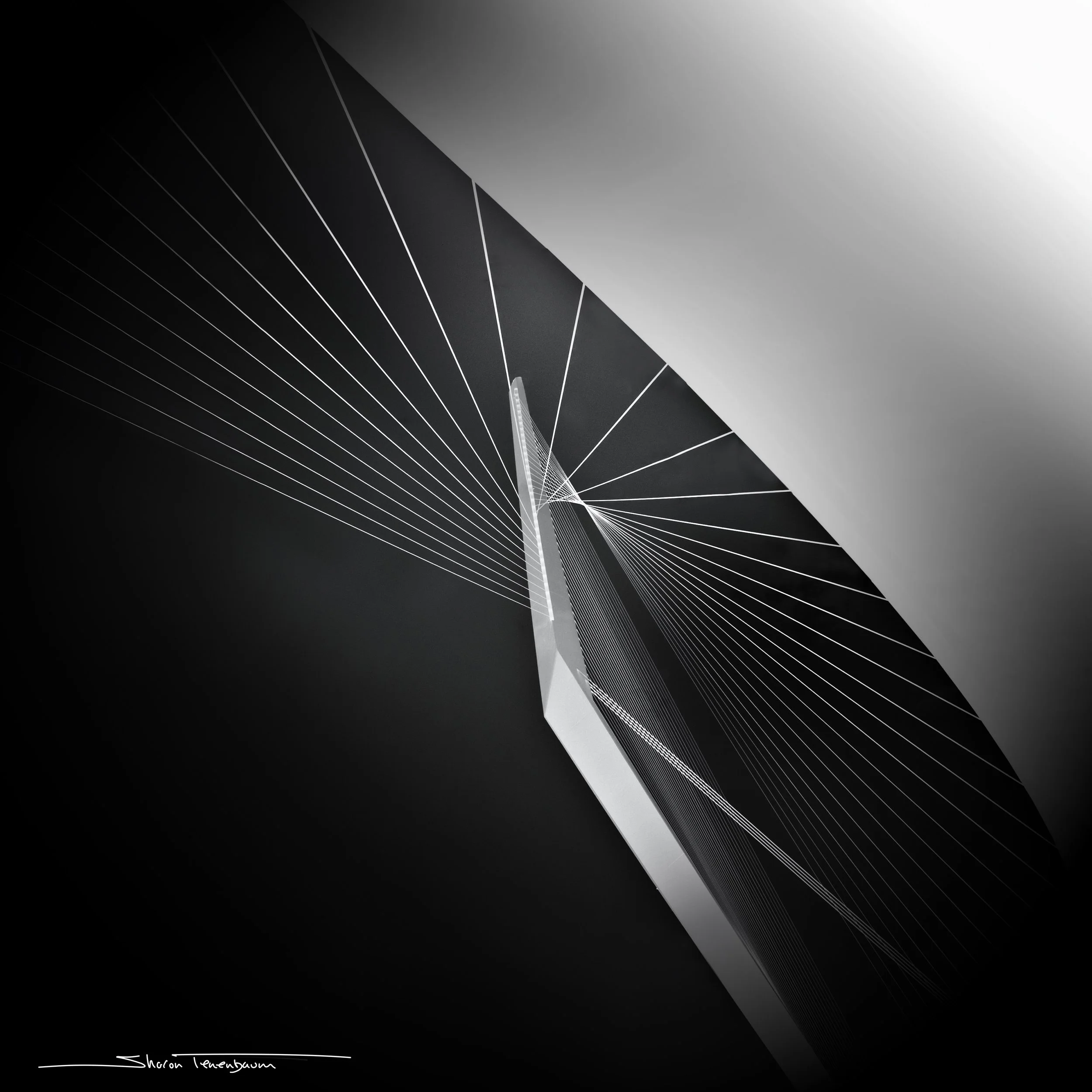
Bridges are much more than structures that connect two points—they are symbols of connection, transition, movement, and human ingenuity. Whether grand architectural landmarks or simple footbridges tucked away in nature, bridges offer endless photographic possibilities.
For this theme, look beyond simply documenting a bridge and consider how you can use it as a compositional element within your image. Explore leading lines, patterns, symmetry, light, shadow, reflections, and the relationship between the bridge and its surroundings. Consider photographing the entire structure, focusing on interesting details, or incorporating people to add scale and storytelling.
Think about the many ways bridges connect not only places, but also ideas, cultures, and experiences. Challenge yourself to find a fresh perspective and create images that reveal something unique about the bridge and its role within the landscape or urban environment.
Successful images will demonstrate thoughtful composition, creative vision, and an ability to transform a familiar subject into a compelling photograph.
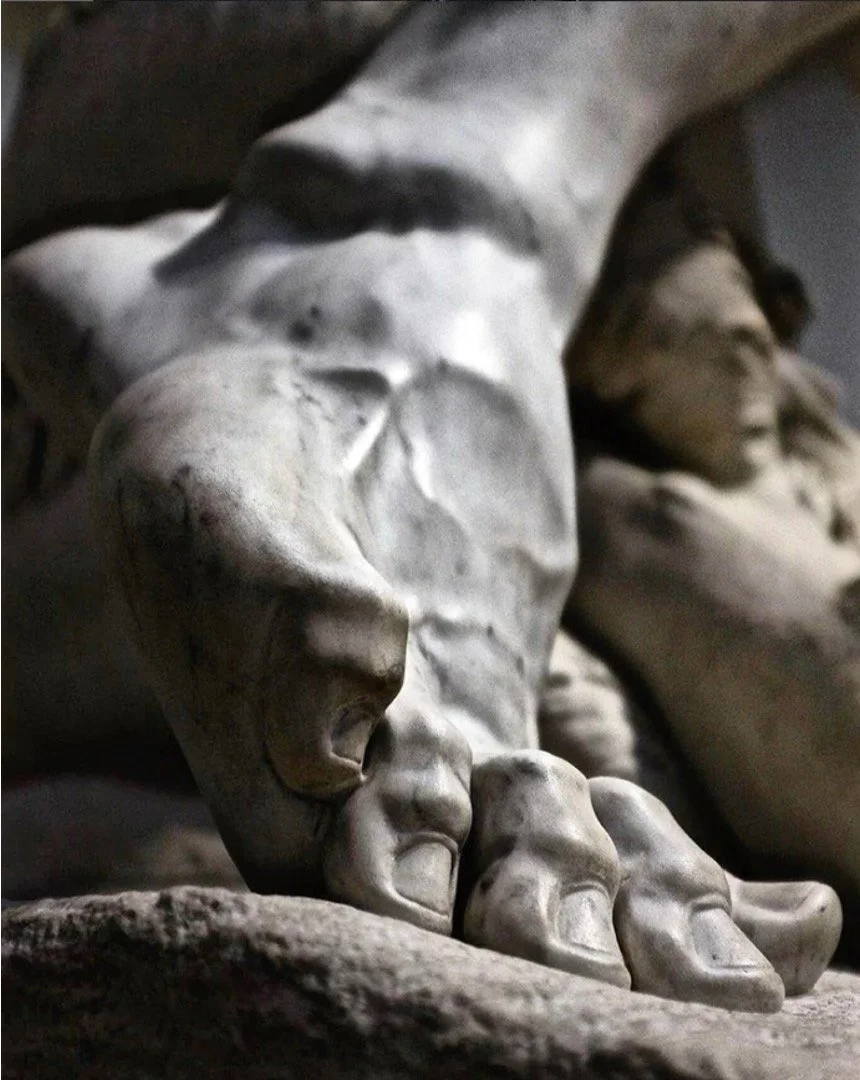
CLOSE UP - FREE 1 hr. WEEKLY ZOOM SESSION
The Close Up theme challenges you to look beyond the obvious and discover new ways of seeing the world around you. By moving closer to your subject, you can reveal details, relationships, and perspectives that are often overlooked when viewed from a normal distance.
For this theme, avoid predictable close-up subjects such as flowers, insects, and other traditional macro photography. Instead, seek out original subjects and explore how getting physically closer can transform an ordinary scene into something visually engaging and thought-provoking.
Consider how proximity can change the viewer's understanding of a subject. What details become important? What stories emerge? How does the close-up perspective create a stronger connection with the subject? Your goal is not simply to magnify something small, but to present a familiar subject in a fresh and unexpected way.
Successful images will demonstrate creativity in subject selection and show how a close-up perspective can reveal something new, surprising, or meaningful about the world around us.
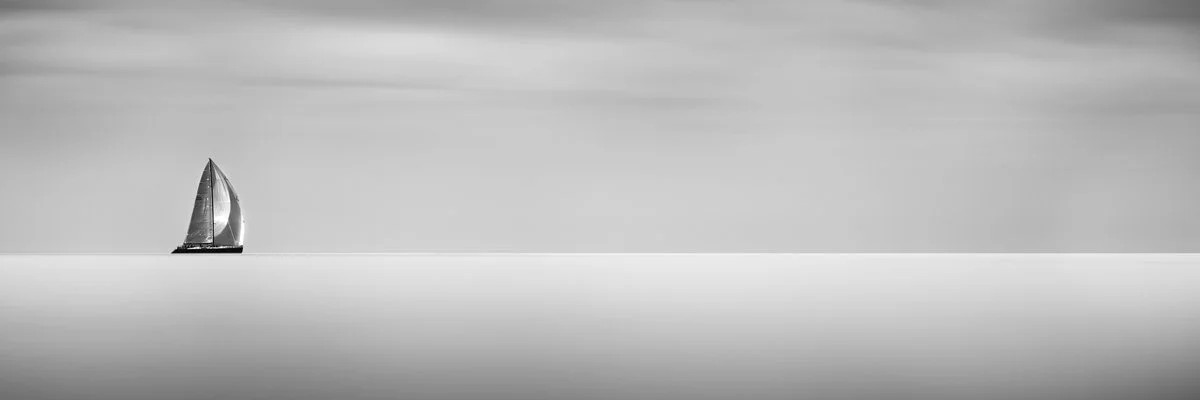
SEASCAPE - FREE 1 hr. WEEKLY ZOOM SESSION
The sea has inspired photographers and artists for centuries, offering an endless range of moods, emotions, and visual possibilities. From the raw power of crashing waves during a storm to the serenity of a calm ocean at dawn, seascapes can evoke feelings of awe, solitude, peace, mystery, or even tension.
For this theme, consider how you can use light, weather, movement, colour, and composition to communicate the emotional character of the sea. Are you drawn to its strength and drama, or to its quiet and contemplative nature? Look for images that go beyond simply documenting a shoreline and instead capture the unique relationship between water, light, and atmosphere.
Keep in mind that this is a Seascape theme—not a skyscape, cityscape, or landscape. While the sky, coastline, boats, structures, and surrounding environment may play supporting roles, the sea itself should be a dominant and essential element of the image. Be mindful of how much of your composition is actually water and whether the image would still qualify as a seascape if the sea were removed.
As always, we encourage originality in both vision and execution. Challenge yourself to create an image that makes us stop and look twice, whether through an unusual perspective, creative technique, compelling light, or a powerful emotional connection to the sea.

SALON SHOW - FREE 1 hr. WEEKLY ZOOM SESSION
Join us for a special Salon Show featuring the bodies of work created by participants in the Series Development course. This session celebrates not only the finished images, but also the months of thought, exploration, perseverance, and creative growth that went into bringing each series to life.
Creating a successful photographic series is one of the most challenging undertakings in photography. Unlike a single strong image, a series requires consistency, cohesion, and a clear artistic voice. Participants were challenged to move beyond individual photographs and create a body of work that communicates a deeper idea, emotion, or narrative.
A key component of the process was the development of a vision statement. This statement served as a roadmap, helping photographers define their intent, make creative decisions, and maintain focus throughout the project. As we review each series, we will discuss how effectively the images support the artist’s vision and how the work evolved from concept to completion.
This promises to be an inspiring and educational session, offering valuable insights into the creative process behind long-term photographic projects. Whether you are considering creating a series of your own or simply wish to better understand what separates a collection of images from a cohesive body of work, this Salon Show is not to be missed.

LANDSCAPE - FREE 1 hr. WEEKLY ZOOM SESSION
LANDSCAPE
Landscape photography is one of the most widely photographed genres in the world. Beautiful mountains, forests, coastlines, deserts, and skies are captured every day by millions of photographers. Because of this, creating a landscape image that truly stands out requires more than simply photographing a beautiful location — it requires vision, originality, and intention.
For this theme, we are looking for landscape images that push beyond the predictable. Strong compositions, unique perspectives, and creative techniques should play an important role in your approach. Consider using methods such as Intentional Camera Movement (ICM), multiple exposures, long exposures, unusual focal lengths, selective focus, or creative post-processing techniques such as color manipulation and tonal reinterpretation. The goal is not experimentation for its own sake, but rather using technique to strengthen mood, emotion, and storytelling.
Most importantly, your image should communicate something about the landscape itself. What drew you to the scene? What feeling, atmosphere, or story are you trying to convey? Even highly abstract or creatively interpreted landscapes should remain connected to the essence and “nature” of the environment being photographed.
This theme challenges you to move beyond postcard photography and create work that makes the viewer stop, pause, and look longer. Surprise us with your vision. Show us not just what the landscape looked like, but how it felt to experience it through your eyes.

FOOD - FREE 1 hr. WEEKLY ZOOM SESSION
Food photography is about far more than simply documenting a meal or creating traditional cookbook-style images. While beautifully plated dishes certainly have their place, this theme encourages you to think beyond straightforward presentation and explore food as a creative photographic subject.
Food can be approached through mood, texture, colour, shape, light, abstraction, storytelling, or even humour. The image does not necessarily need to make the viewer hungry — it should make them feel something. You might focus on the steam rising from a cup of tea, the chaos of a busy kitchen, the graphic patterns created by ingredients, or the relationship between food and the people interacting with it.
This theme is an opportunity to experiment with atmosphere, composition, and visual narrative. Think about how light interacts with texture, how colour can create emotion, and how food can become part of a larger story rather than simply the subject itself. The goal is not just to photograph food, but to interpret it creatively through your own photographic vision.
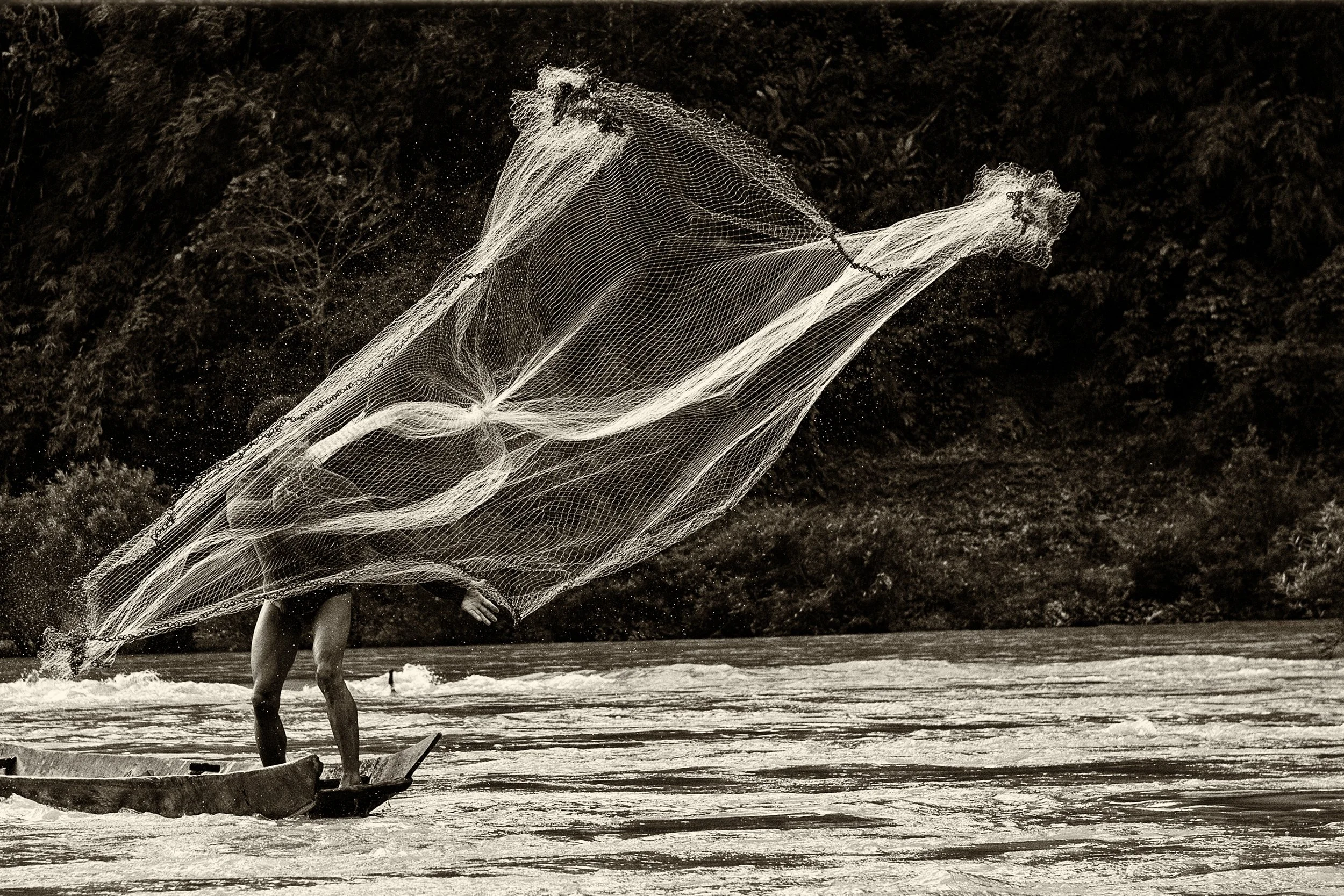
ACTION - FREE 1 hr. WEEKLY ZOOM SESSION
Action photography is all about capturing movement, energy, and the feeling of a moment in motion. While many people immediately associate action photography with sports, the theme goes far beyond that. Action can be found anywhere — in the movement of people on a busy street, a dancer mid-motion, fabric flowing in the wind, an animal in motion, crashing waves, or even subtle gestures that suggest energy and momentum. The key is that the image should clearly communicate movement and make the viewer feel that something is happening within the frame.
A successful action image does more than freeze a moment; it tells a dynamic visual story. Motion can be captured in different ways — by freezing the action sharply, by intentionally introducing motion blur, or by combining both techniques to create tension and atmosphere. The challenge is not simply photographing movement, but doing so with intention, composition, and timing so the final image feels alive and full of energy.
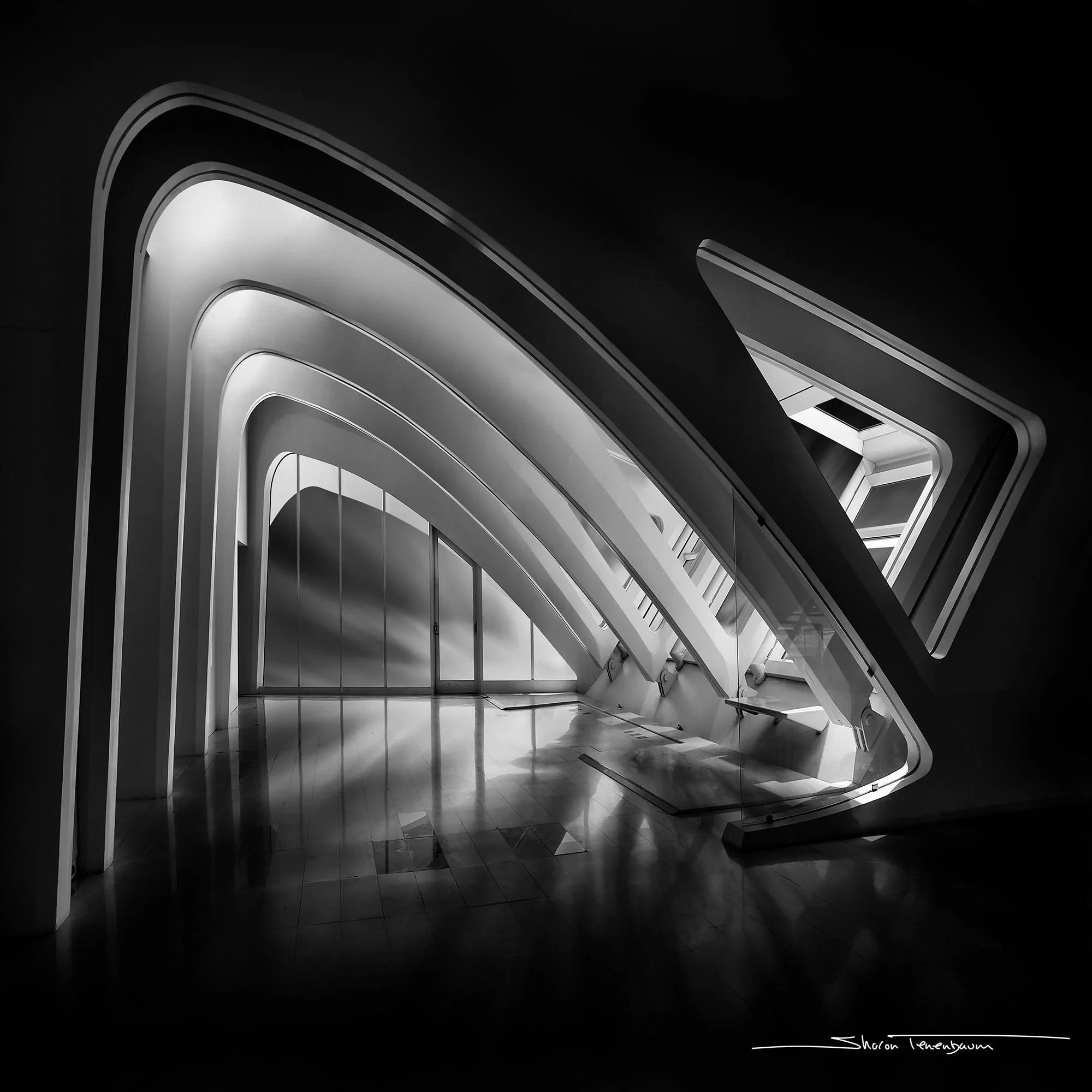
LOW KEY - FREE 1 hr. WEEKLY ZOOM SESSION
Low-key photography is all about restraint, intention, and control. Instead of illuminating everything in the frame, you work primarily with shadow, allowing darkness to dominate while carefully introducing light only where it matters most. The result is often dramatic, moody, and deeply focused—images that feel intentional rather than descriptive.
This is one of my favourite topics. It literally lets you paint with light—isn’t that what photography is all about?
In low-key work, light becomes your brush and shadow your canvas. You decide what to reveal and what to conceal, guiding the viewer’s eye with precision. Low-key images let you selectively choose which part of the scene you want your viewer to see, stripping away distractions and emphasizing form, texture, and emotion. It’s less about what’s there, and more about what you choose to show.
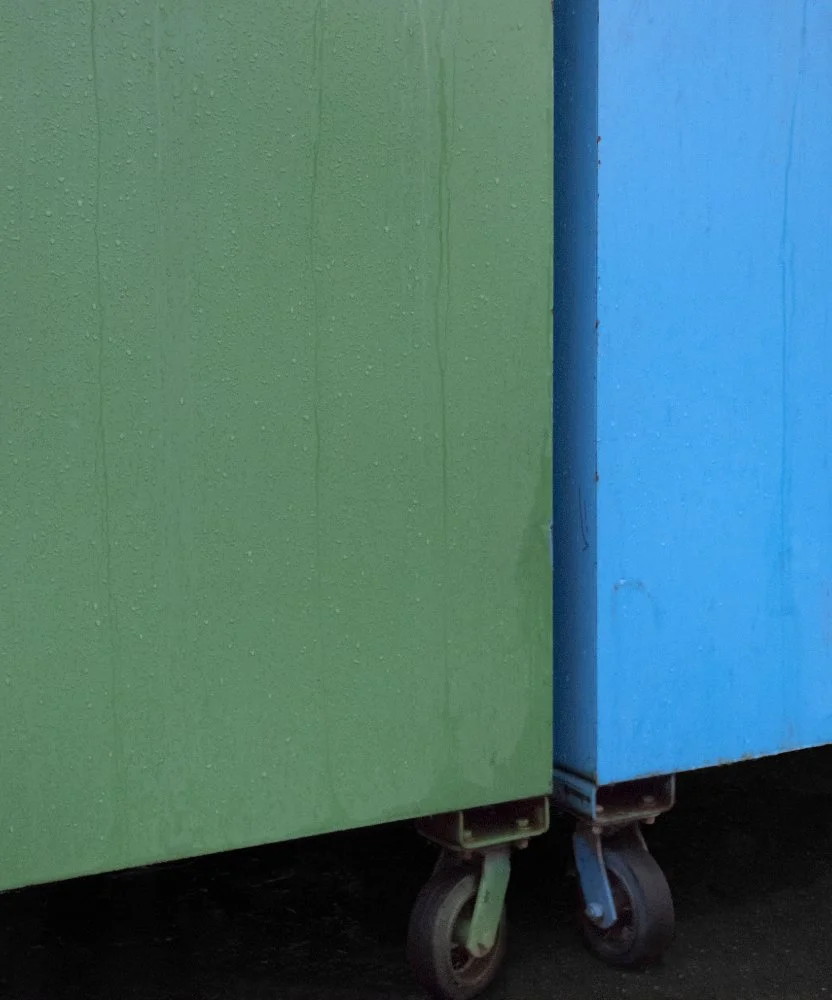
COMMON OBJECT - FREE 1 hr. WEEKLY ZOOM SESSION
This week, we're looking to shoot a Common Object. And isn't that what photography is all about, really? Taking the mundane and shining a different light on it. Highlighting an object or scene that we normally pass by with no notice, and making it something special.
Think about all the common objects you can see around you right this moment - a bottle, socks, a pen, eggs, coffee mugs, perfume vapor, cell phone - the list of subjects you have this week are endless.
Now the challenge is to simply make the ordinary look extra ordinary, or at least photographed well. You could try focusing on a particular detail or texture. Or perhaps show how you use it in your day-to-day life. Tell a story about how something mundane and ordinary can be a valuable part of your day. You could go full magazine style Product Shoot or do something fun and quirky to make us chuckle out loud. Composition is key here - so try and arrange things in your shot to convey depth, emotion, or perhaps even a surreal, thought-provoking moment. The creative side is entirely up to you.
Now go out and be uncommon!
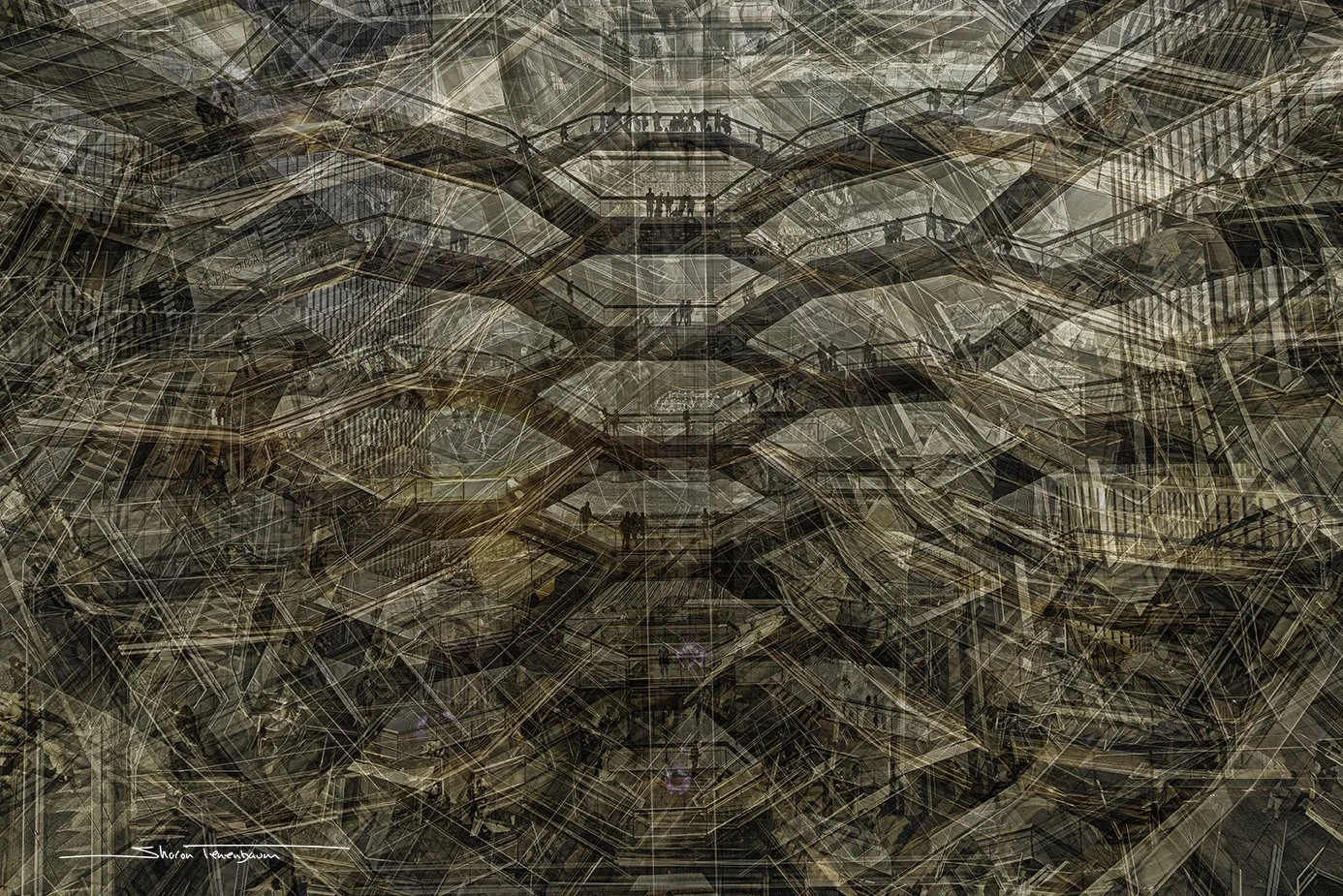
INSPIRED BY M.C. ESCHER - FREE 1 hr. WEEKLY ZOOM SESSION
This photographic theme explores images that play with perception through pattern, repetition, geometry, reflection, and visual paradox. It begins with vision—the ability to see beyond the obvious and recognize scenes that can transform into something unexpected, whether through perspective, symmetry, or illusion.
Equally important is execution. These images rely on precision: careful composition, alignment, and control of light and form. In some cases, thoughtful post-processing can help refine or extend the idea, but the foundation must be strong. The goal is to create photographs that feel intentional and cohesive, where the visual trick enhances the image rather than overwhelming it—inviting the viewer to pause, look again, and engage with what they’re seeing.
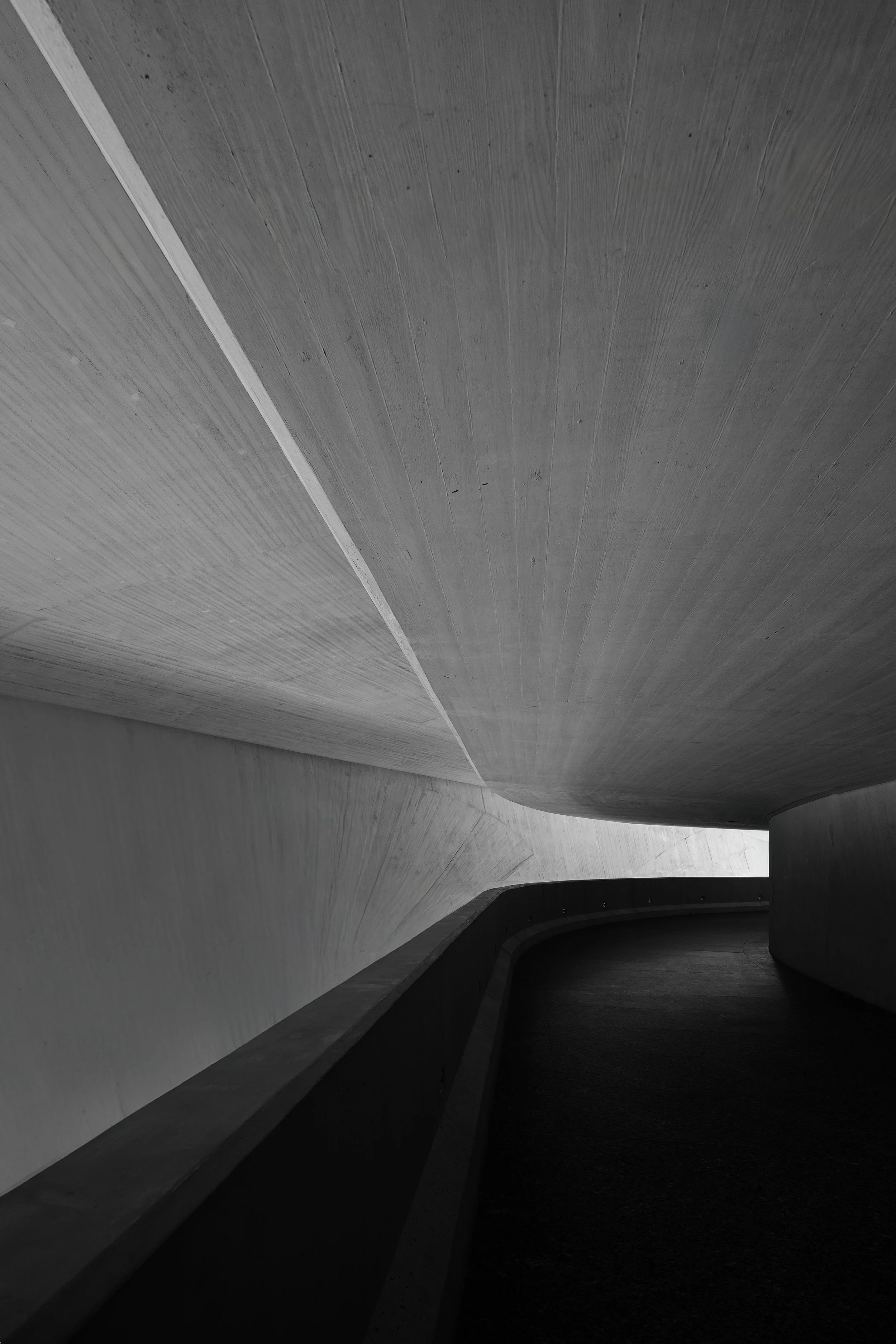
SIMPLICITY - FREE 1 hr. WEEKLY ZOOM SESSION
Simplicity in photography is about clarity, stripping an image down to its essential elements so the viewer immediately understands where to look and what to feel. The challenge, however, lies in subtraction. It’s far easier to add interest than to remove it. True simplicity requires discipline: eliminating anything that introduces unnecessary complexity, busy details, competing textures, distracting colors, or cluttered backgrounds. Every element left in the frame must earn its place and support the subject, not compete with it.
While simplicity shares similarities with minimalism, this approach is not about abstraction or reducing an image to pure shapes and emptiness. It’s about creating a clear, intentional photograph that still carries meaning and story. Originality plays a crucial role here; simple images can easily feel generic if they rely on overused compositions or predictable subjects. The goal is to find a fresh way of seeing, where restraint and intention come together to produce an image that feels both refined and distinctive.
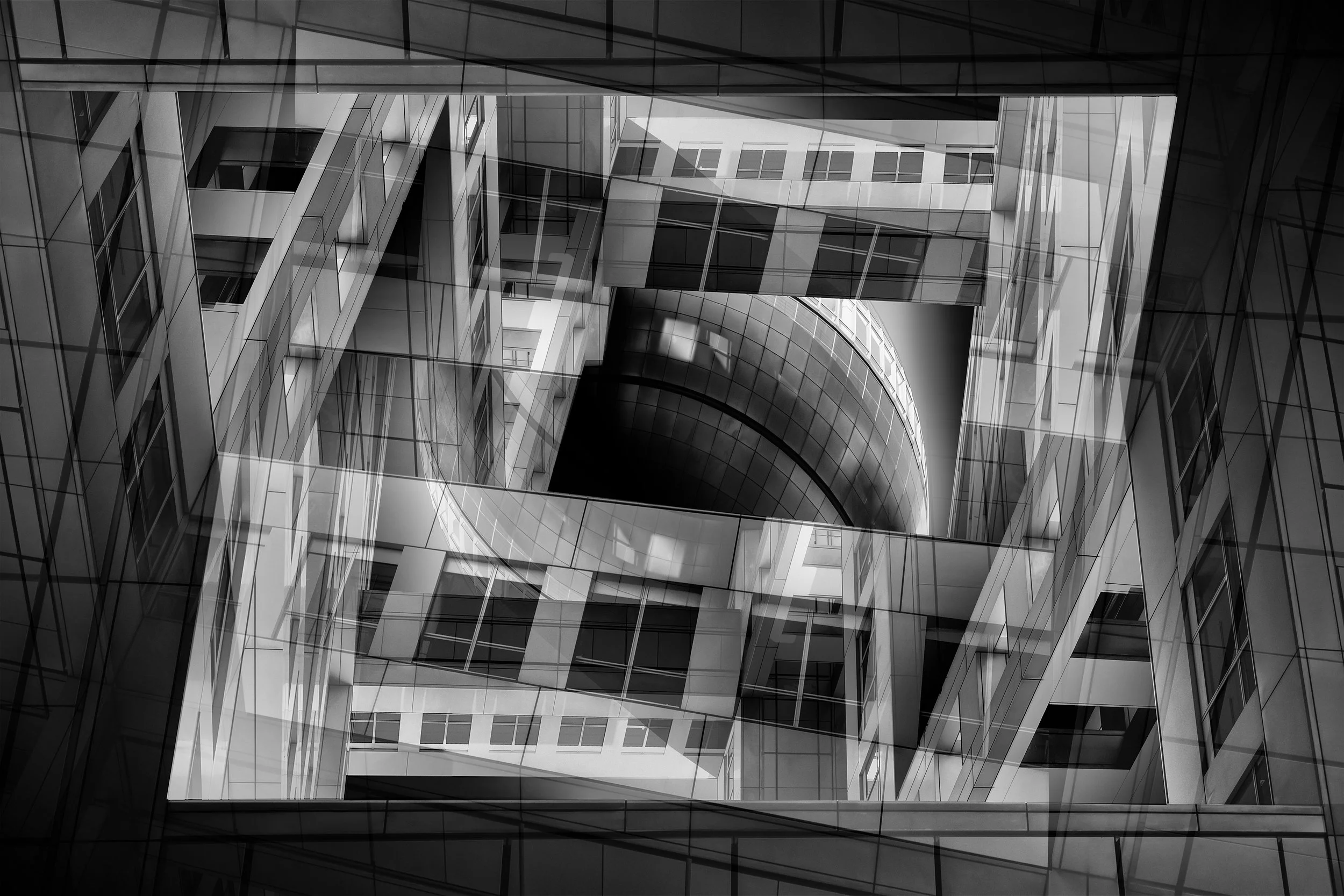
FRAMING - FREE 1 hr. WEEKLY ZOOM SESSION
A strong frame does more than decorate a subject; it supports it. The most important consideration is choosing a frame that feels appropriate to what you’re photographing. A heavy, dark frame—like a doorway or dense foliage—can add drama or intimacy, while a lighter, more open frame—like windows, arches, or negative space—can create a sense of calm, openness, or isolation. The relationship between the frame and the subject should feel deliberate, not accidental.
Framing also invites creativity. Traditional frames like windows and doorways are just the beginning. Look for more original or unexpected ways to frame your subject: reflections in mirrors or water, shadows cast across a scene, layers of objects in the foreground, or even human elements like hands or silhouettes. Sometimes the “frame” isn’t a literal border at all, but a subtle visual structure that directs attention—lines, light, color contrast, or depth.
Great framing adds dimension. It can create a feeling of looking into a moment rather than just observing it. It helps separate the subject from distractions, adds context without clutter, and often brings a sense of storytelling—placing the subject within a world rather than isolating it from one.
Ultimately, framing is about awareness. Slowing down, observing your environment, and asking: What in this scene can help me say more about my subject? When used thoughtfully, framing transforms an image from a simple capture into a more immersive and intentional photograph.
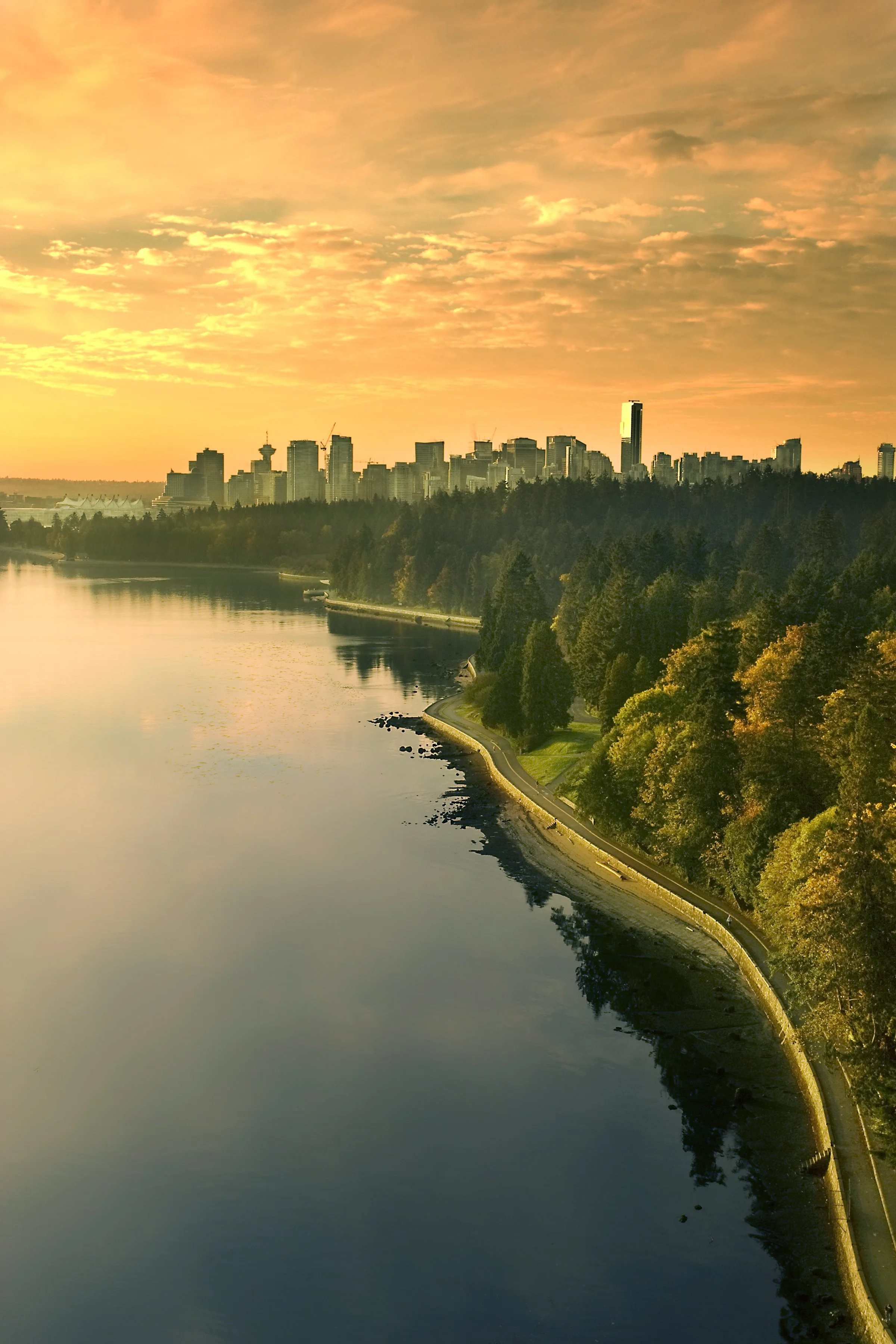
GOLDEN HOUR - FREE 1 hr. WEEKLY ZOOM SESSION
Golden hour is often described as the most beautiful light of the day—but what makes it powerful isn’t just its warmth, it’s how you use it. The low, golden light softens edges, stretches shadows, and wraps subjects in a gentle glow that can transform even the simplest scene into something evocative.
Rather than pointing your camera directly at the sun, think about how that light moves through your scene. Let it filter through trees, brush across a face, catch the edge of a building, or illuminate particles in the air. This is where the magic happens—when the light reveals rather than overwhelms. It’s about suggesting mood and atmosphere, showing without telling.
Golden hour is not just about beauty; it’s about storytelling. The quality of the light can convey calm, nostalgia, intimacy, or transition. It can turn an ordinary moment into something cinematic. But because it’s so universally loved, it’s also easy to fall into predictable images. This is where originality matters. Look beyond the obvious sunset shot—find unexpected angles, subtle interactions, and unique compositions that make the light serve your story.
Ultimately, golden hour is a tool. The goal isn’t simply to capture golden light, but to use it intentionally—to shape emotion, guide the viewer’s eye, and elevate the narrative within your image.
NO SESSION - PASSOVER HOLIDAY: FREE 1 hr. WEEKLY ZOOM SESSION
Sorry, there won’t be a Talk-&-Learn session this week due to Passover. Hag Sameach ve-Kasher!
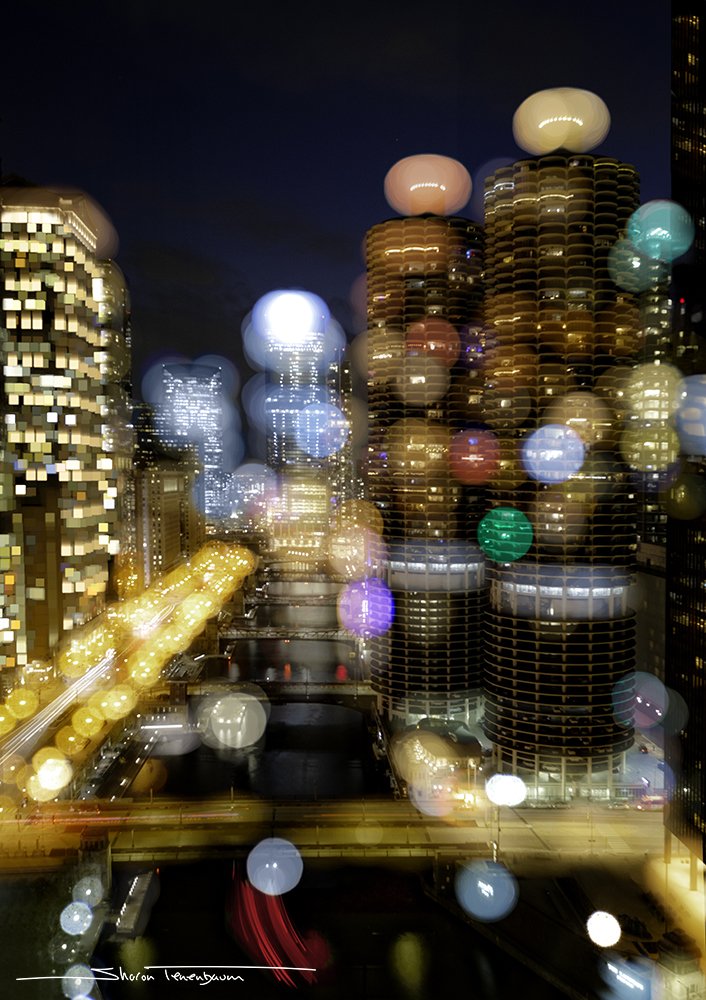
NIGHT TIME - FREE 1 hr. WEEKLY ZOOM SESSION
Night photography invites us into a world where light becomes the true subject. As daylight fades, photographers must rely on creativity and technique to reveal scenes that are often invisible during the day. Long exposures, slow shutter speeds, and careful control of ISO and aperture allow us to capture the subtle glow of the night and transform darkness into atmosphere.
Night images can take many forms. Some rely on long exposures to record the movement of light—cars becoming elegant light trails, or city streets glowing with energy and motion. Others explore a quieter, more contemplative mood: a single street lamp illuminating an empty sidewalk, or a solitary window glowing against the darkness.
Night photography also lends itself beautifully to Edward Hopper–like imagery, where isolated pools of light extend the tonal range of the scene and create a sense of mood, mystery, and narrative. Here, shadows become as important as highlights, and the contrast between darkness and illumination builds emotional depth.
Whether capturing the rhythm of a bustling city at night or the simplicity of a minimal scene defined by a lone light source, the key is to let light guide the composition. At night, photography becomes less about what is visible—and more about what the light reveals.
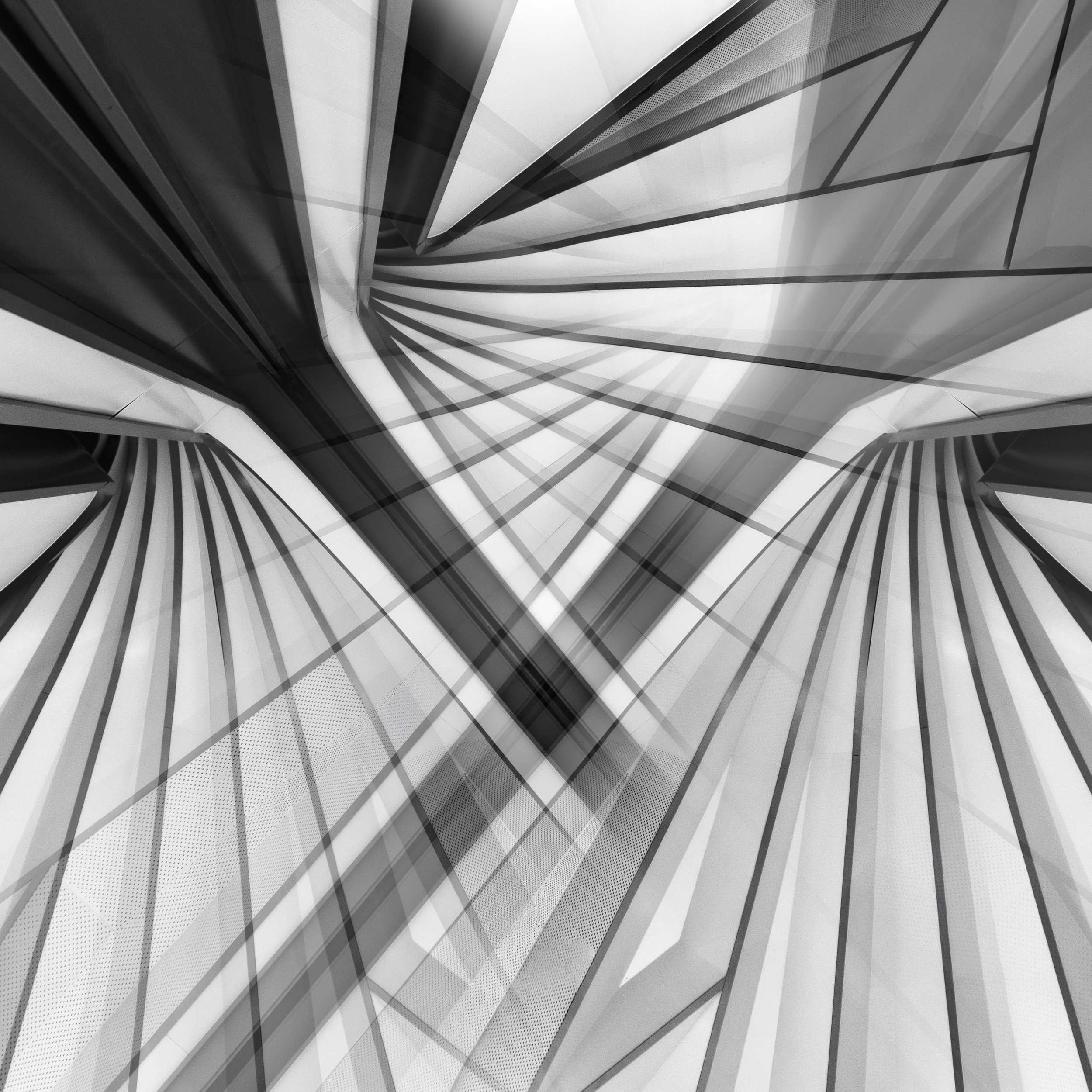
PATTERNS - FREE 1 hr. WEEKLY ZOOM SESSION
Patterns are one of the most powerful visual elements in photography. They bring rhythm, repetition, and structure to an image, creating a sense of order that naturally draws the viewer’s eye. Patterns can be found everywhere — in architecture, nature, textures, light and shadow, or even in the arrangement of everyday objects.
When photographing patterns, pay close attention to composition, framing, and perspective. Strong pattern images often emphasize repetition, symmetry, or geometric relationships. Consider filling the frame so the pattern becomes the dominant subject, eliminating distractions that might weaken its visual impact.
Look also for moments where a pattern is interrupted or broken, as this can introduce tension and interest within the image. Light, contrast, and color can further enhance the rhythm and visual flow of the pattern.
Above all, the pattern should be the main actor in the scene, guiding the viewer’s eye and giving the photograph its structure, balance, and visual intrigue.
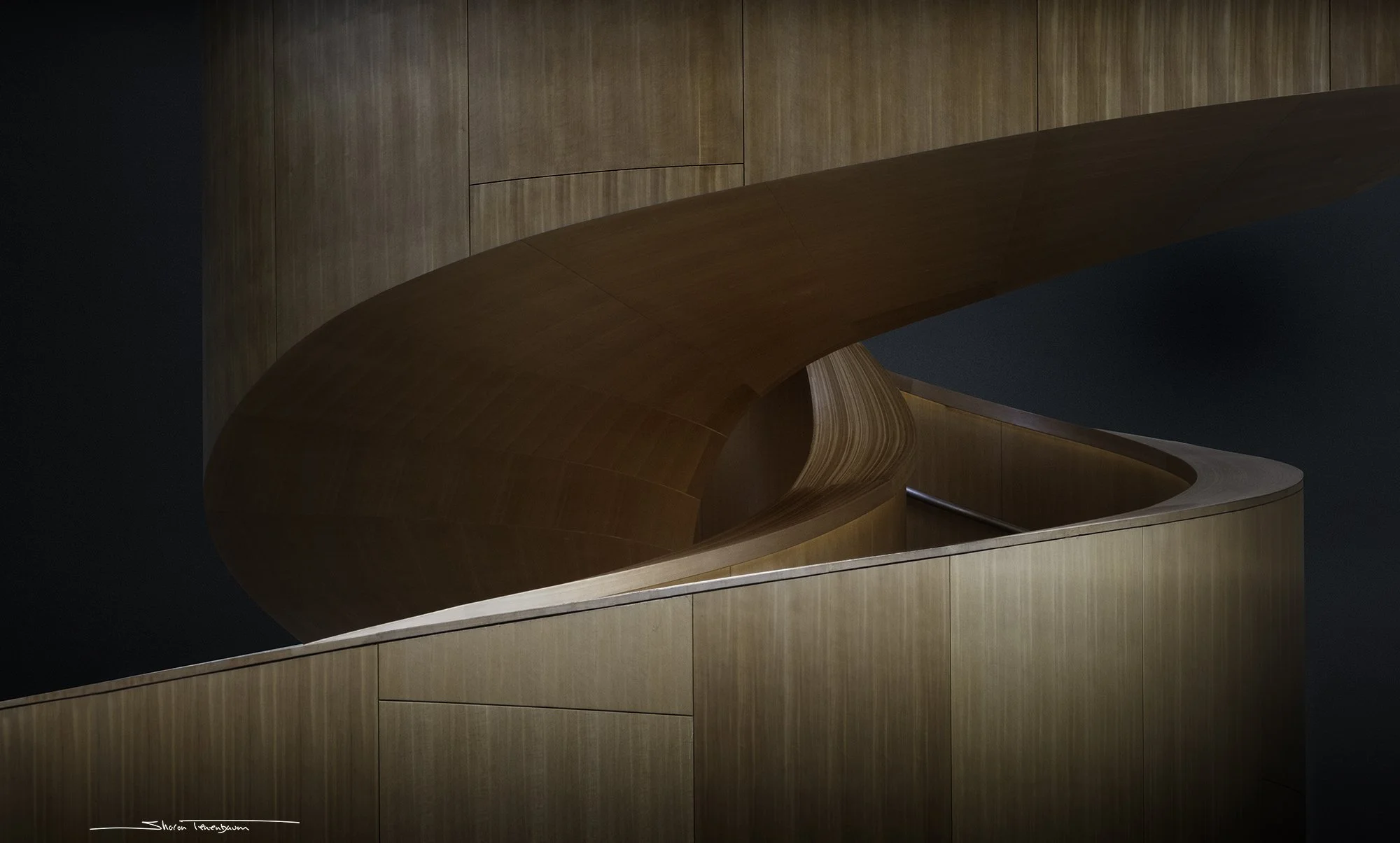
CURVES - FREE 1 hr. WEEKLY ZOOM SESSION
Curves introduce movement, grace, and rhythm into a photograph. Unlike straight lines, which suggest stability and structure, curves imply flow, softness, tension, and continuity. They guide the eye gently — sometimes sensually — through the frame.
In this theme, the curve must be the main actor on the stage. It cannot be incidental or decorative. The composition should be built around it. Ask yourself: Does the viewer’s eye immediately recognize the curve as the dominant force? Does it control the visual journey?
Curves can be found everywhere — in architecture, landscapes, the human body, shadows, fabric, roads, waves, and reflections. But finding them is only the beginning
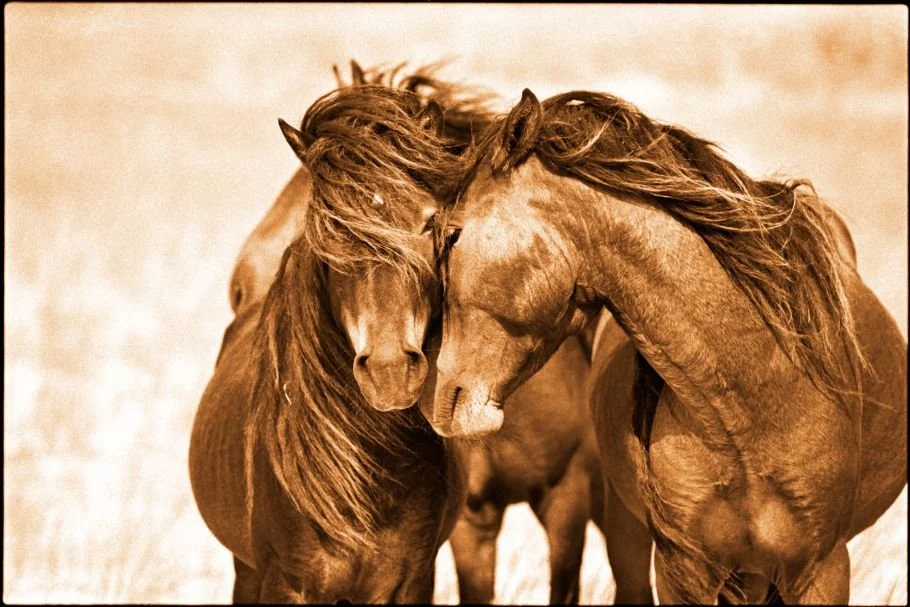
ANIMALS - FREE 1 hr. WEEKLY ZOOM SESSION
Animals offer more than a subject — they offer presence, personality, and story. The goal is not simply to photograph an animal, but to reveal its character. Is it cautious or bold? Playful or guarded? Calm or alert?
Pay close attention to behavior. Hunting, resting, grooming, interacting — behavior gives context and transforms an image into narrative. A small gesture — a tilted head, a raised paw, focused eyes — can say everything.
Consider agility and movement. Animals are often defined by motion. You may choose to freeze action to highlight strength and precision, or embrace motion blur to express speed and energy.
Study physical appearance — texture, fur, feathers, muscle, markings — and use light to sculpt form and depth. The eyes, especially, create connection.
And strive for originality. Change your perspective. Get to eye level. Use the environment thoughtfully. As always, strong composition, intentional light, and precise timing will elevate the image from ordinary to compelling.

MUSIC - FREE 1 hr. WEEKLY ZOOM SESSION
The photographic theme of music captures the invisible rhythms that shape our world. Through imagery, it explores pattern, cadence, and repetition or flow, echoing the structured flow of sound in visual form. Lines, shapes, and movement in a scene can mimic beats and phrasing, while recurring motifs evoke refrains and melodies. The vibes of each photograph—whether lively, contemplative, or soulful—resonate like a chord, inviting viewers to feel the harmony, tension, and emotion embedded in everyday moments.
Tips for transforming sound into visuals:
Visualize rhythm: Capture repeated shapes, lines, or movements to reflect musical patterns.
Represent tempo: Fast-moving subjects or blurred motion can evoke energetic beats; stillness or long exposures can suggest slower melodies.
Echo harmony: Use color, light, and composition to create emotional resonance, like a visual chord.
Show contrast: Highlight dynamics—loud vs. soft, high vs. low—through contrasts in tone, scale, or focus.
Capture improvisation: Unplanned moments, spontaneity, or abstract forms can reflect the flow and unpredictability of music.
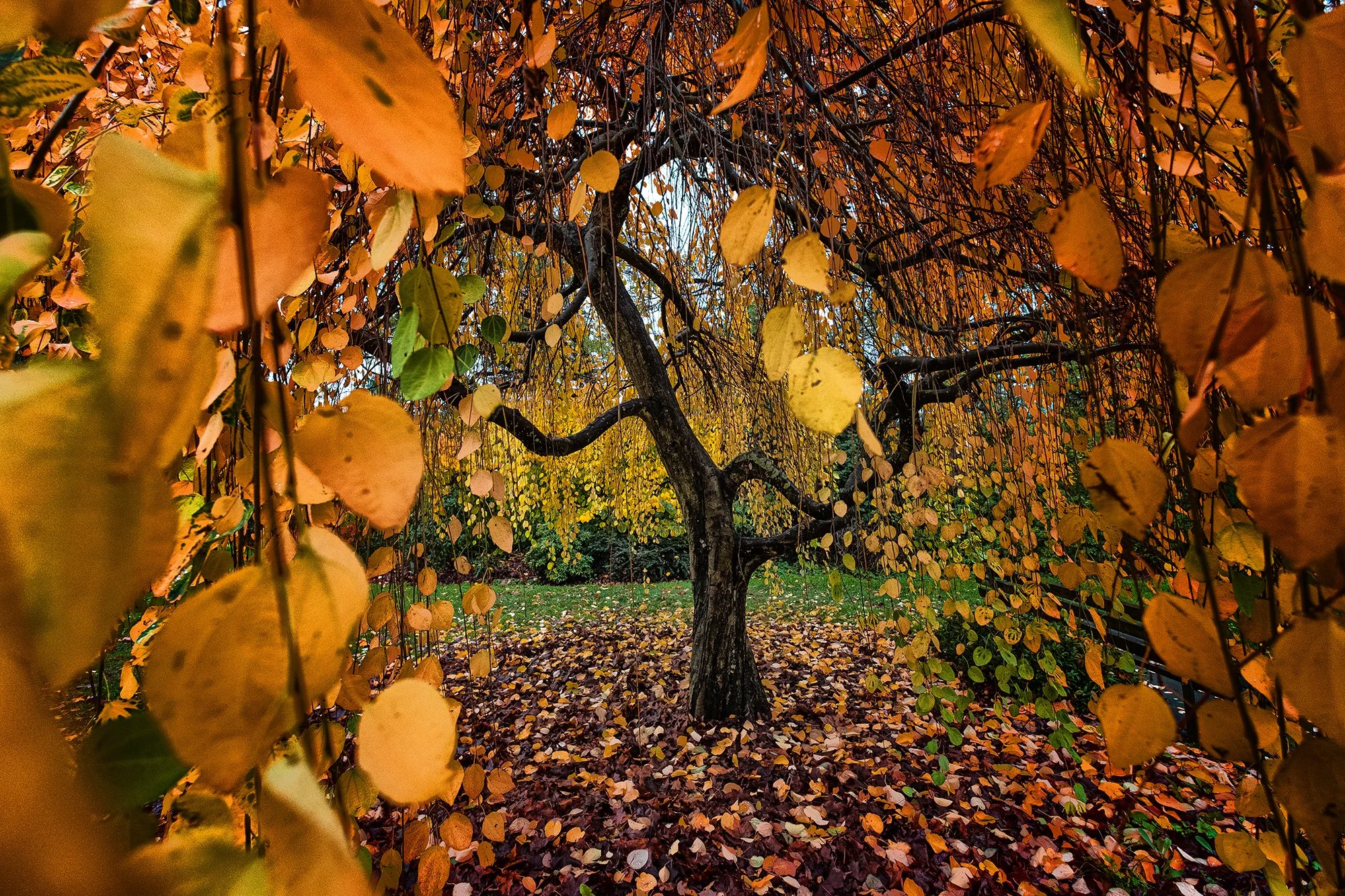
TREES - FREE 1 hr. WEEKLY ZOOM SESSION
Trees are more than landscape elements—they are living, breathing organisms that shape our world in countless ways. They provide shade and shelter, fuel for fire, lumber for building, and oxygen for the planet. They stand quietly through time, bearing witness to change, weather, and life itself.
This theme invites you to explore trees in all their forms: as solitary subjects or forests, as textures and details, as abstract shapes or powerful symbols. You may focus on bark, branches, roots, or canopy, or on the relationship between trees and their environment.
Strong composition is essential, but it is light that truly defines the image. Light sets the mood, creates emotion, and reveals character—whether soft and contemplative, dramatic and bold, or quiet and mysterious. Consider how direction, quality, and contrast of light influence how the tree is perceived.