

WABI SABI
In photography, wabi-sabi is the quiet art of seeing beauty in imperfection, impermanence, and simplicity. It invites the photographer to slow down and notice what is weathered, asymmetrical, or incomplete: peeling paint on a temple wall, moss creeping across stone, soft light fading at dusk, or an object marked by time and use. Rather than striving for technical perfection or visual excess, wabi-sabi embraces restraint, negative space, muted tones, and subtle textures, allowing the subject to breathe and speak softly. It is deeply connected to transience—moments that will not repeat, light that exists only briefly, seasons in transition—and it asks the photographer to accept change rather than resist it.
A wabi-sabi image often feels contemplative and humble, revealing an emotional truth rather than a polished surface, reminding us that aging, wear, and quiet irregularity are not flaws, but evidence of life itself.
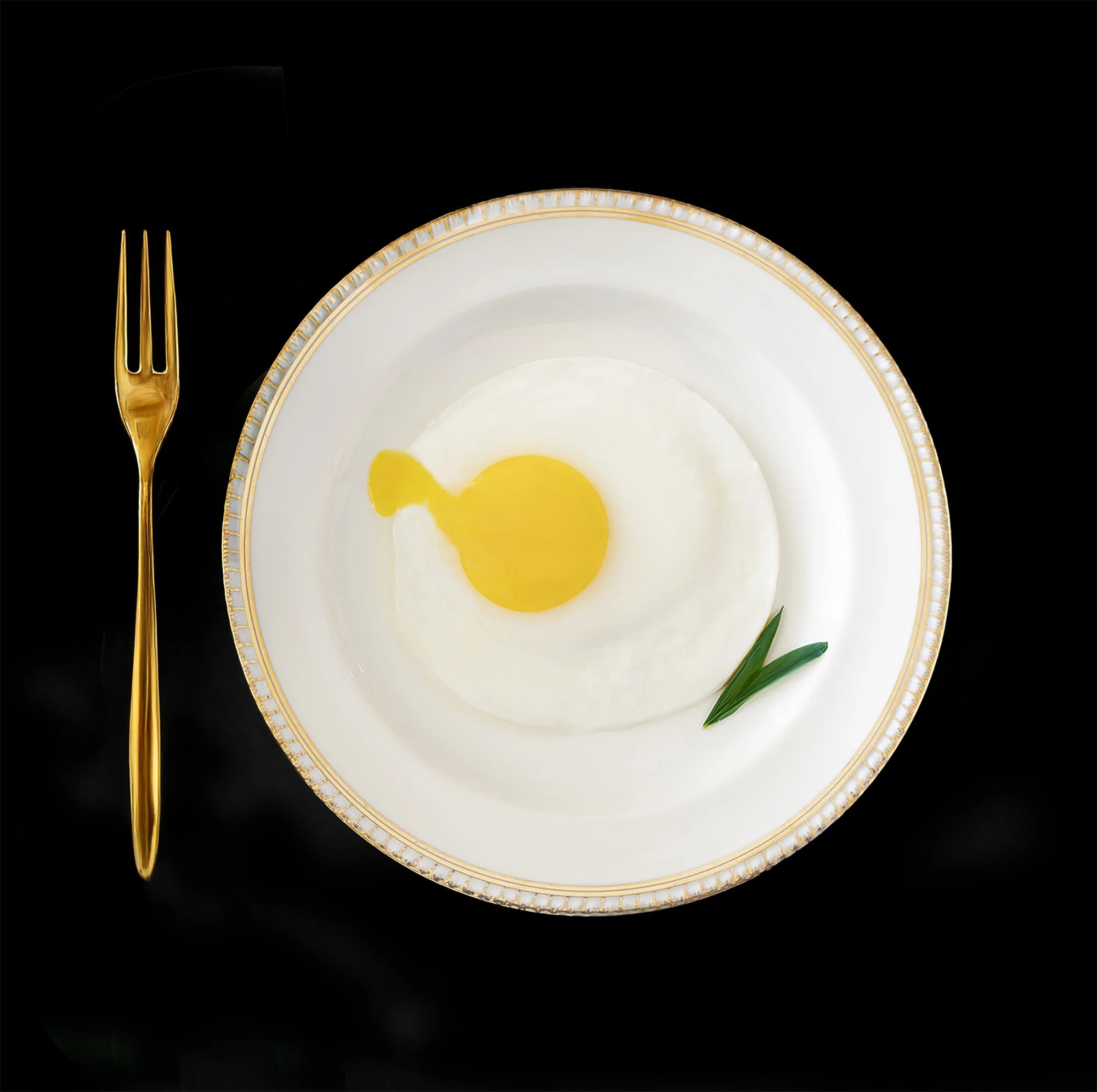
Image by Josh Kates - Eggscape
Registration is Now Closed. Please come back at 2:00 pm PST to register for next week’s session.